Haramaya University Launches Major Climate Health Project to Tackle Hidden Heat Impacts on Children
An international research conference has introduced the Climate Health Intervention (CHI²) project, a significant initiative aimed at exploring the often-overlooked health impacts of rising temperatures on children in Africa. Haramaya University is a key partner in this multi-country effort, which has received one million pounds in research funding to support its activities.
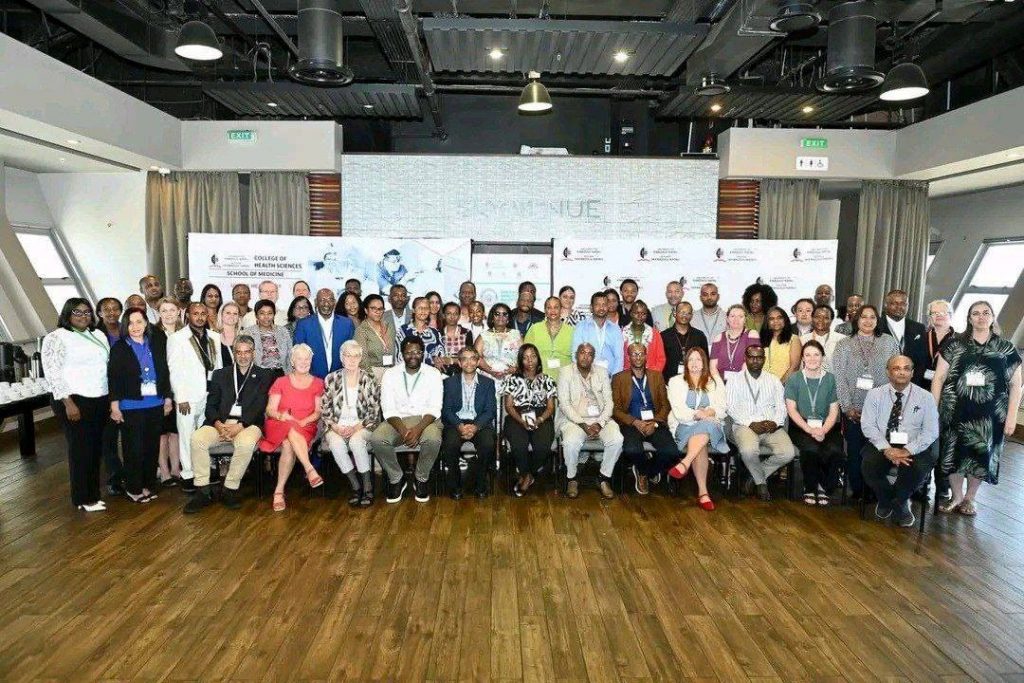
The CHI² project is led by the University of KwaZulu-Natal’s College of Health Sciences in South Africa. It brings together scientists and community leaders from Haramaya University in Ethiopia, the University of Zimbabwe, the University of London, Gothenburg University in Sweden, and the University of Birmingham in the UK. The project aims to study how climate change, especially extreme heat and air pollution, impacts the health of children in 900 primary schools across Africa.
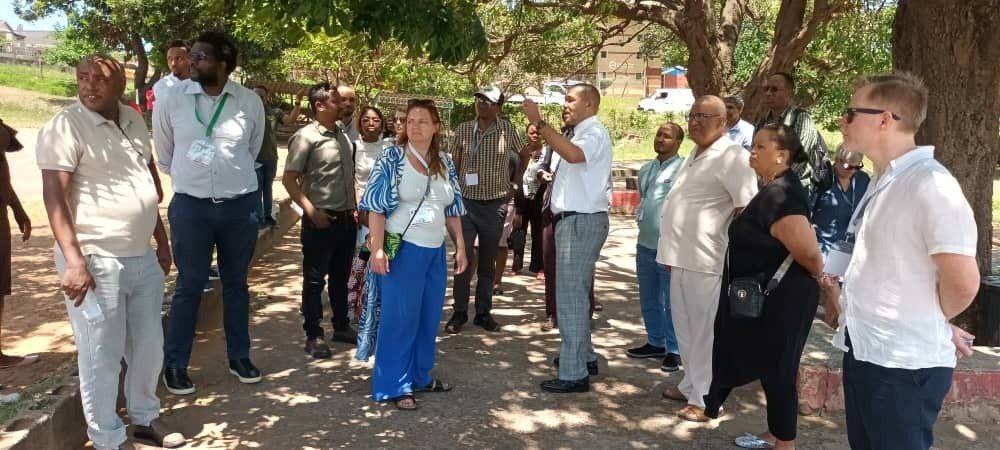
During the conference in Durban, Professor Rajen Naidoo, the lead researcher from the University of KwaZulu-Natal, emphasized that while climate change poses a global crisis, its effects on children’s health in Africa are particularly severe. He described the combined impact of heatwaves, drought, and air pollution as one of the most urgent yet under-recognized public health challenges of our time. He also highlighted that the CHI² project is actively working to understand and address this pressing issue.

Dr. Yishak Yusuf, Vice President for Research and Community Partnership at Haramaya University, emphasized the university’s strong foundation in teaching, research, and community service since its establishment. He pointed out that Haramaya has a talented group of researchers and well-equipped facilities, making it well-positioned to contribute significantly to this international collaboration.
Dr. Ahmed Mohammed, the Executive Director of the College of Health and Medical Sciences at Haramaya University, stated that the college is actively conducting impactful research on maternal and child health, environmental health, and various health-related issues, including air and water pollution. He emphasized that this existing expertise fosters a supportive environment for the success of the CHI² project in tackling community health problems. Additionally, he noted that the university’s leadership is providing close oversight and robust support during the implementation process.
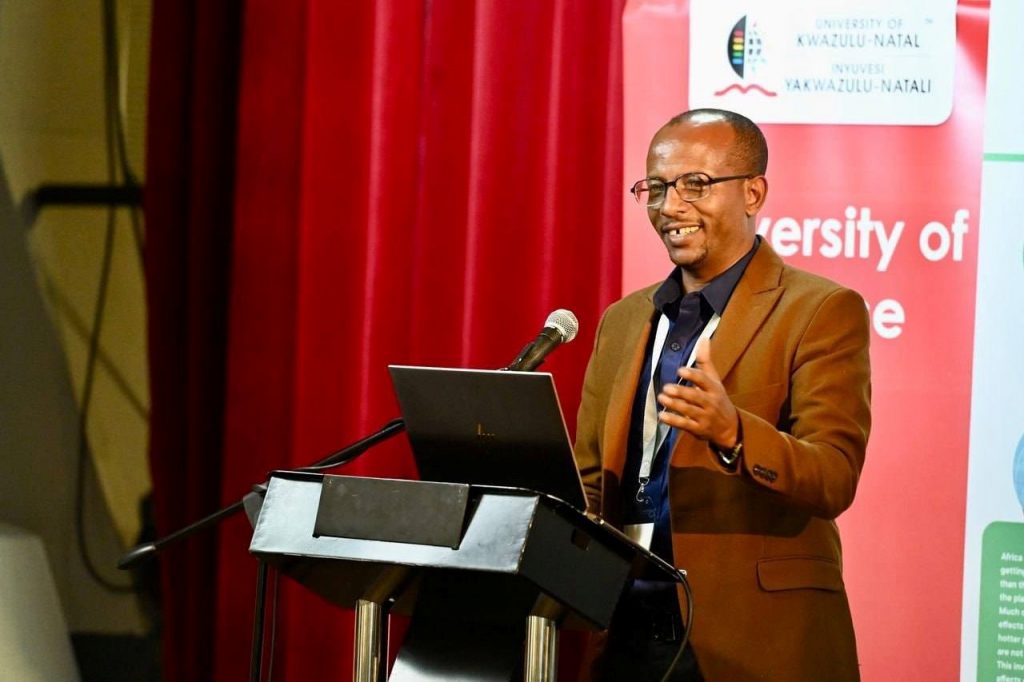
Dr. Kedir Teji, the lead of the CHI² project at Haramaya University, explained that the research will include thorough assessments of health and environmental vulnerabilities in homes, schools, and recreational areas. The project will utilize meteorological data and targeted monitoring to map children’s vulnerability to heat and air pollution. It will also examine how these factors impact maternal and child health, ultimately developing practical interventions and policy recommendations aimed at protecting children and enhancing climate resilience.
Haramaya University has successfully secured one million pounds in research funding through this collaboration. This funding will enhance its international research partnerships and provide full scholarships for four PhD students and four Master’s students. Over the next four years, the project will focus on four primary schools in Harar and Dire Dawa, working to upgrade classrooms, improve water supply, and create cleaner and greener school environments.
The laboratory equipment obtained through the project will be utilized to monitor respiratory health, noise levels, and air pollution, thereby enhancing local research capabilities.
Reporter: Tadele Tilahun
Haramaya University Public & International Relations Directorate
Tags: child health, Climate Change, climate health, environmental health, Ethiopia, Haramaya University, health resilience, heat impacts, heat stress, public health research