Ethiopian Foodborne Disease Surveillance Project PIONEER Launched in Addis Ababa
The Ethiopian Foodborne Disease Surveillance Project, PIONEER, launched on January 26, 2026, in Addis Ababa during a multi-sectoral ceremony, marking a significant advancement in national food safety infrastructure and public health protection.
Government officials, public health leaders, university representatives, and international partners are committed to unified action against escalating foodborne disease threats amid Ethiopia’s rapid urbanization, climate challenges, and dietary transformations.
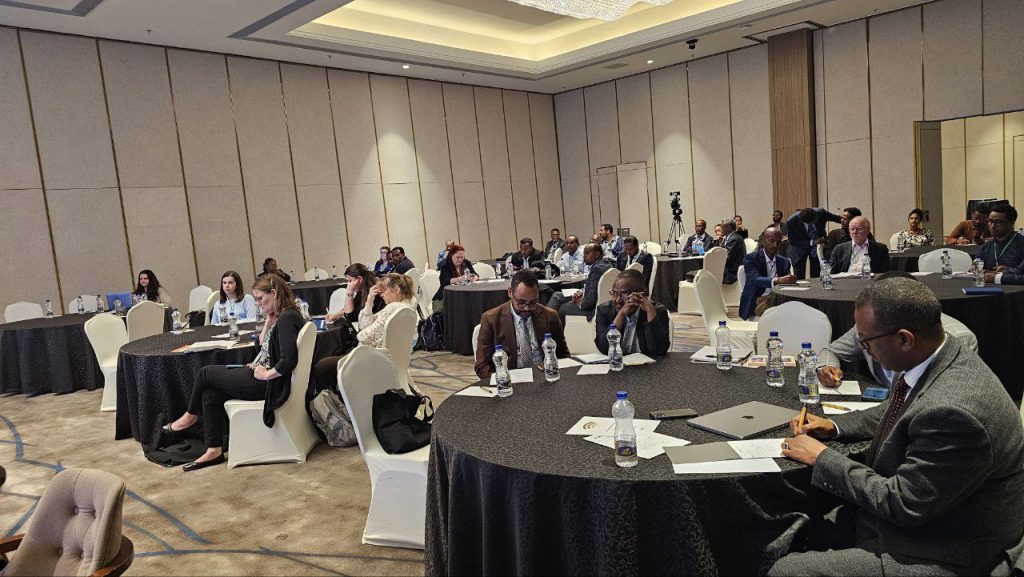
Haramaya University President Dr. Jemal Yousuf set a visionary tone by placing the PIONEER project within Ethiopia’s national development framework. “We are advancing from food security to food sovereignty, ensuring the availability of safe and nutritious food supported by robust systems,” declared Dr. Jemal. He emphasized that the project serves as key evidence supporting the government’s National Food Safety Master Plan for 2025–2029.

PIONEER deploys an integrated sentinel surveillance network across Health and Demographic Surveillance System (HDSS) sites in Ethiopia, targeting high-priority threats like diarrheal pathogens and chemical contaminants. Harnessing advanced technologies, it will generate real-time, actionable intelligence for policymakers.
“Success requires coordination across sectors; no institution exists in isolation,” Dr. Jemal emphasized, praising partnerships that bring together expertise, facilitate data sharing, and enhance capacity building.

Project Principal Investigator Dr. Desalegn Admasu underscored Ethiopia’s surveillance deficiencies. “Foodborne disease burden remains unknown due to symptom-based reporting that misses causative agents and contaminated foods,” he explained. PIONEER addresses this by integrating HDSS sentinel sites to create resilient systems generating evidence for stronger food systems and public health outcomes.
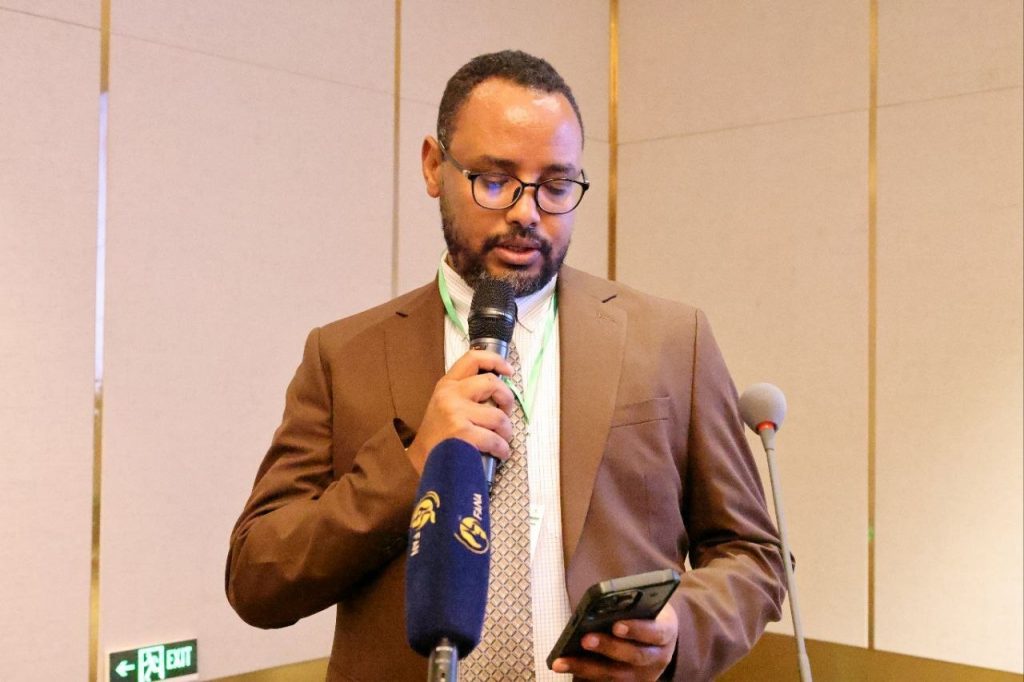
Dr. Getachew Tollera, Deputy Director of the Ethiopian Public Health Institute (EPHI), emphasized the increasing risks associated with urbanization, climate change, and changes in dietary habits. He stated, “PIONEER strengthens surveillance by integrating health, agriculture, environment, nutrition, and climate data through existing platforms and enhanced laboratory diagnostics.” Dr. Getachew praised the project’s One Health framework for recognizing the interconnectedness of human, animal, food, and environmental health, enabling the anticipation of emerging threats.
Dr. Megan Harrison, a program officer for Agricultural Development at the Gates Foundation, announced the collaboration with the UK’s Foreign Commonwealth Development Office on the PIONEER: An Ethiopian Foodborne Disease Surveillance Project. This pilot initiative aims to improve the generation of timely, credible evidence on foodborne disease risks in the food system.


Since 2018, the Gates Foundation and FCDO have invested in food safety initiatives in Ethiopia, focusing on the health and economic impacts of foodborne diseases, transmission dynamics, and identifying critical intervention points in food supply chains.
These earlier projects also aimed to enhance laboratory capacity and training in risk assessment to inform regulations and risk reduction strategies. Dr. Megan emphasized that surveillance systems are vital for understanding the burden of foodborne illness, evaluating interventions, and planning future investments.

State Minister of Health Dr. Dereje Duguma delivered closing remarks affirming the National Food Safety Master Plan’s multi-sectoral roadmap, which brings together key institutions. He emphasized that “Haramaya University’s PIONEER Project provides essential data for our national strategy’s success,” and called for ongoing collaboration among ministries, the Ethiopian Public Health Institute (EPHI), the Ethiopian Food and Drug Authority, universities, and regional bureaus.
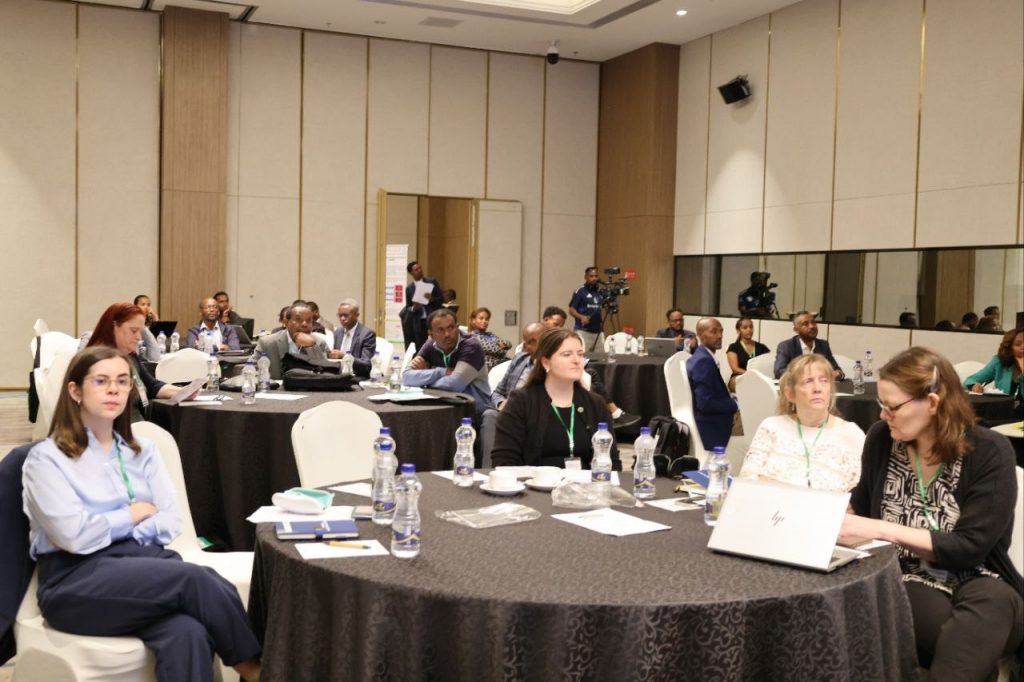
The government is working towards a collaborative approach for early risk detection, swift responses, and large-scale prevention of foodborne illnesses. Dr. Dereje emphasized that Haramaya University’s PIONEER Foodborne Disease Surveillance Project will support this national commitment.
The Ministry of Health fully acknowledges and appreciates the tireless efforts of Haramaya University, its visionary leadership, and all project partners. This initiative exemplifies excellence and significantly contributes to the effectiveness of our shared national agenda.
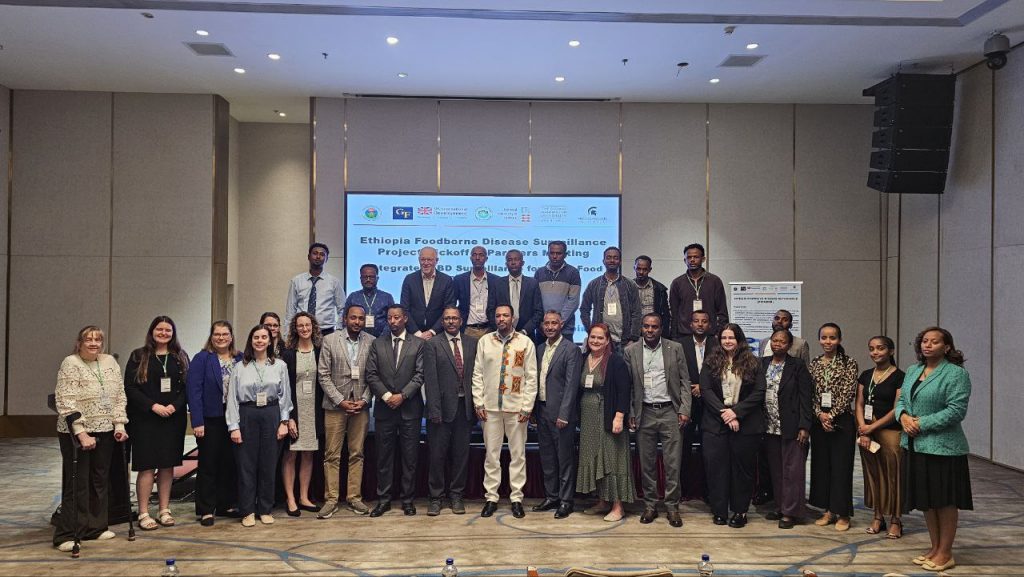
As stakeholders collaborate, the state minister stated, we will develop food safety systems that protect every Ethiopian family, empower our farmers and food producers, and drive our nation toward sustainable prosperity.
Haramaya University Public & International Relations Directorate
Tags: Addis Ababa, disease surveillance, epidemiology, Ethiopia, Ethiopian health sector, Food Safety, foodborne disease, Health Innovation, health monitoring, national health initiatives, outbreak prevention, PIONEER project, Public Health