Stakeholders Call for Urgent Action to Solve Anti-D Supply Shortages to Combat Rhesus Disease
Experts and stakeholders are calling for a coordinated effort to resolve the persistent shortage of anti-D antibody injections in health facilities to prevent Rhesus (Rh) disease, a life-threatening condition caused by blood type incompatibility during pregnancy.
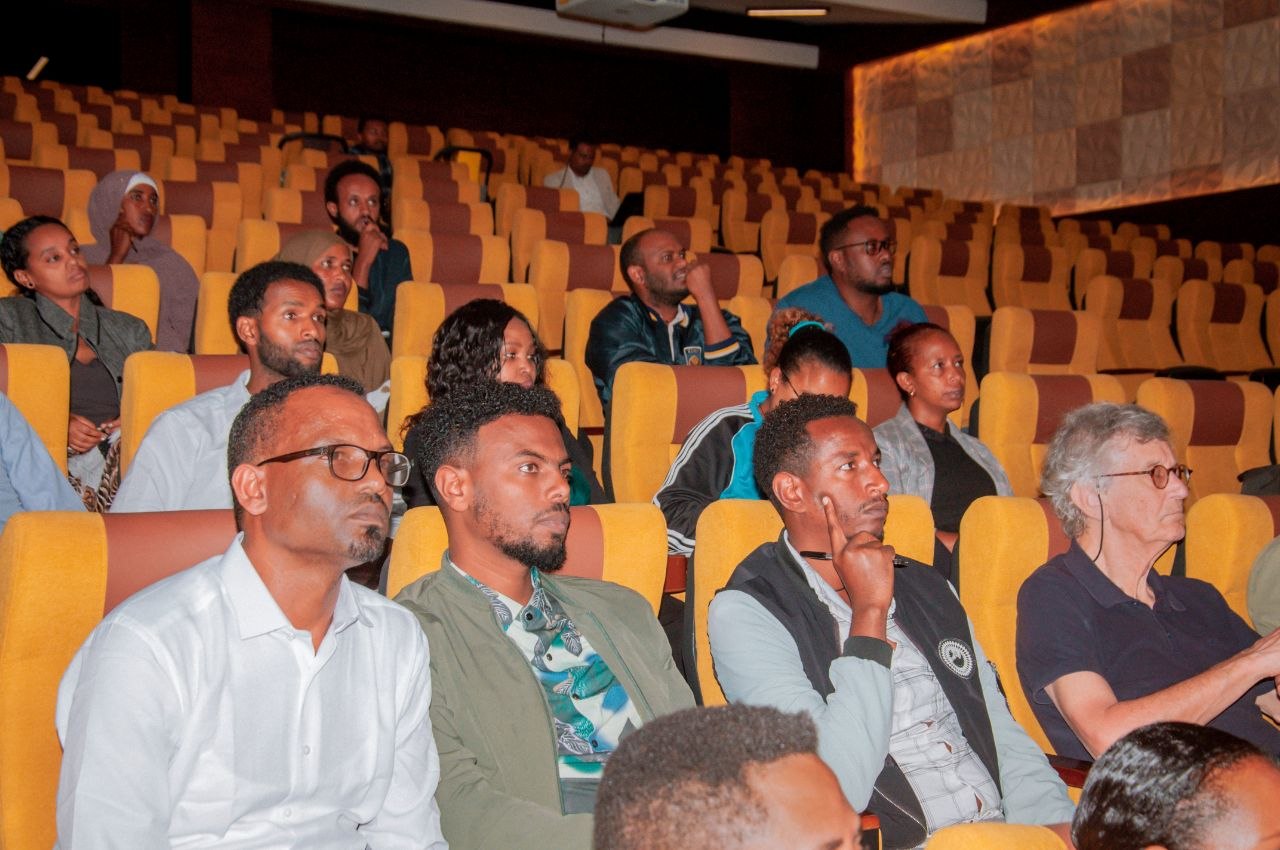
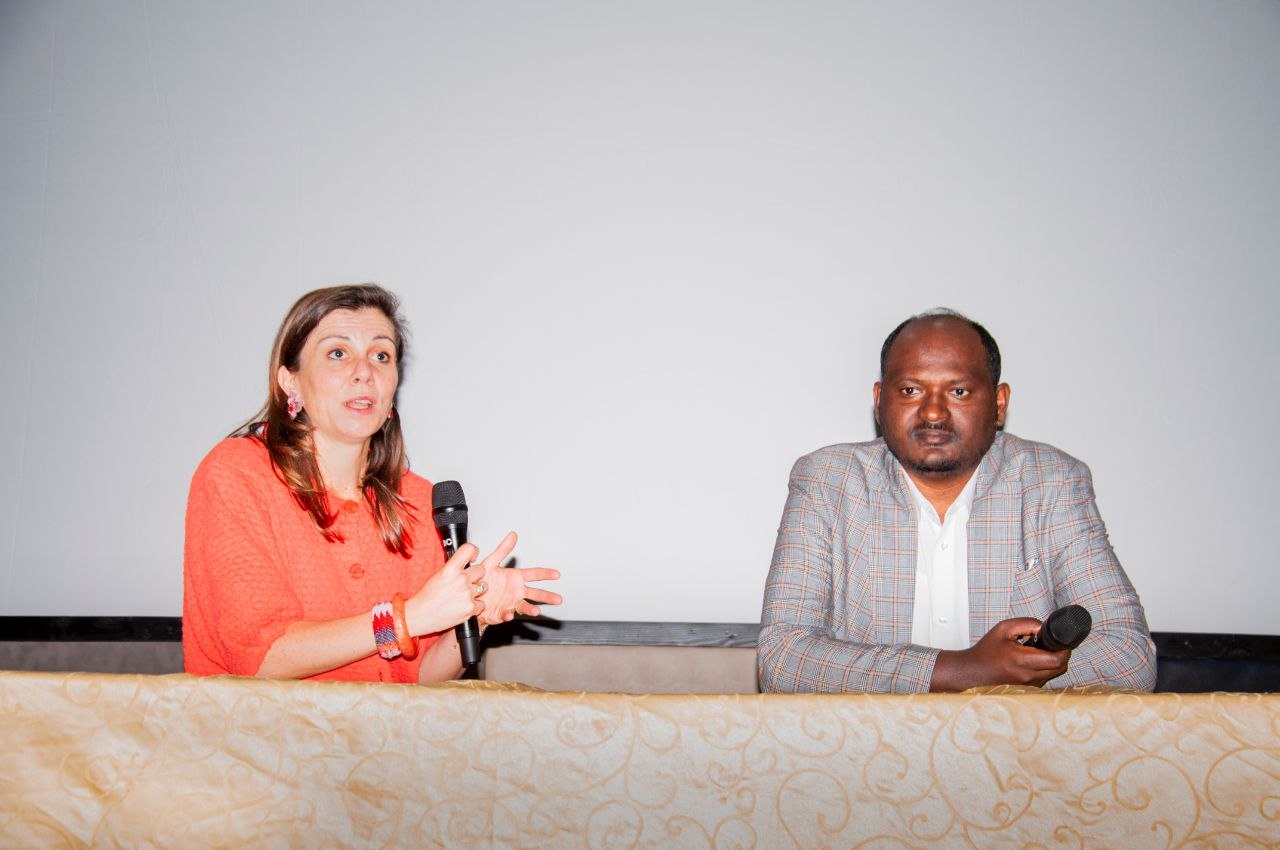
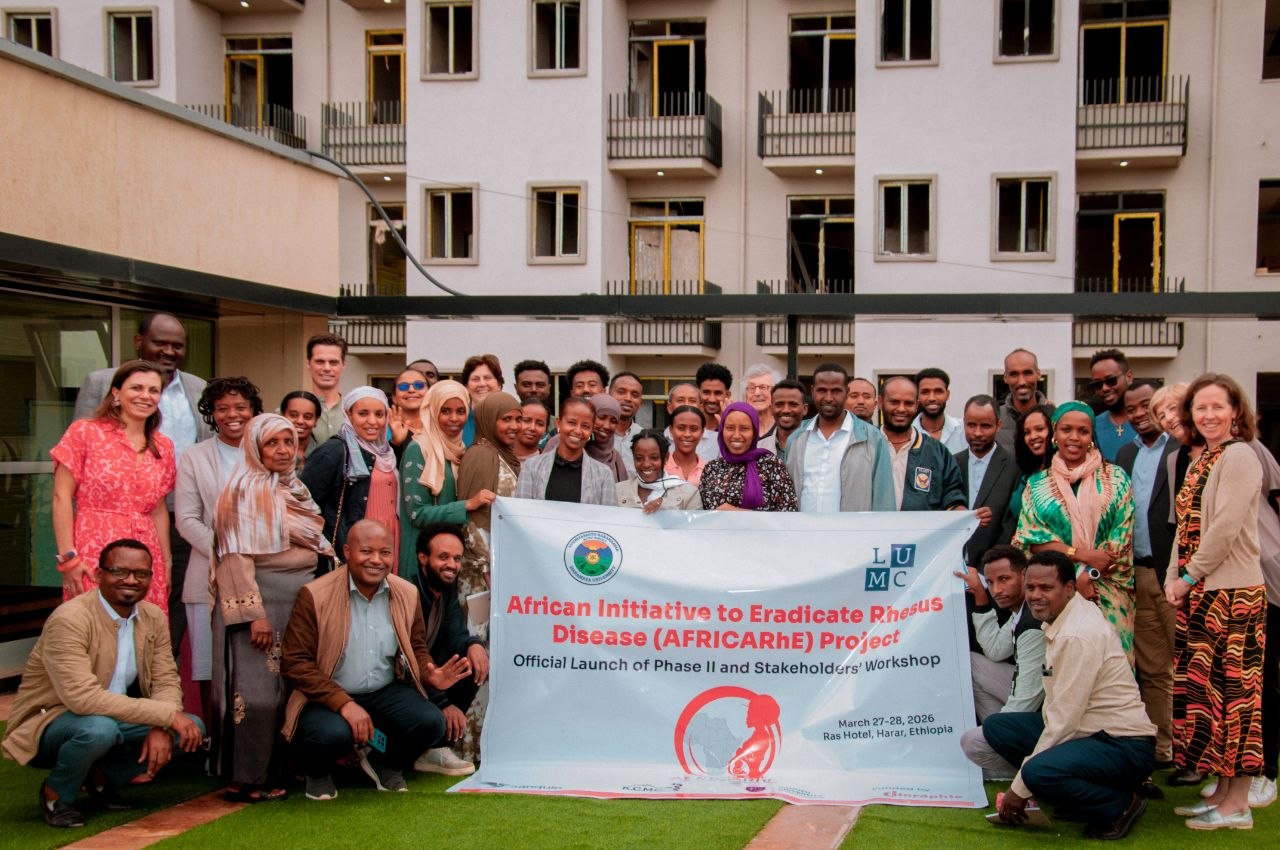
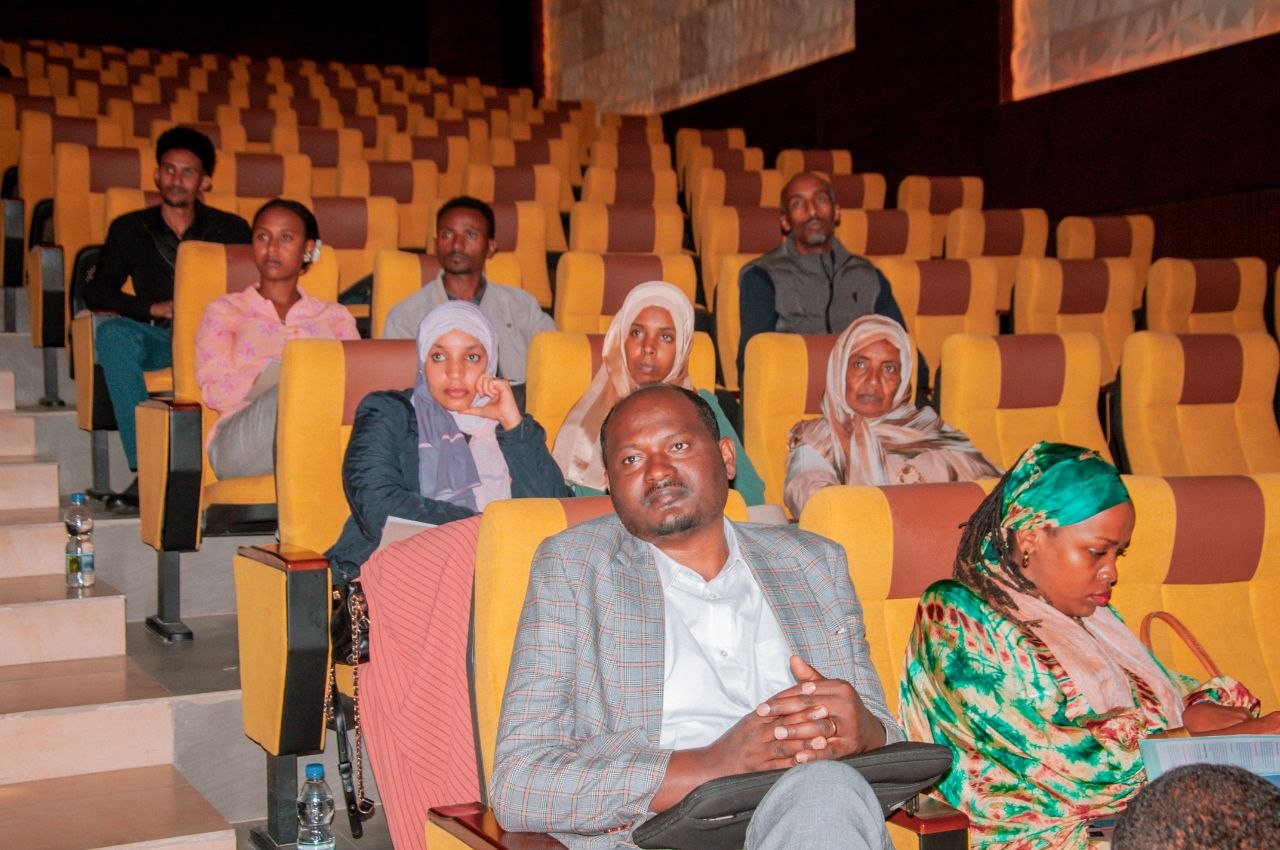 The call was made during a stakeholder consultative meeting marking the launch of the second phase of the Africa Rhesus Initiative (AFRICARhE). This project is a collaborative effort between Haramaya University, K.C.M.C. University (Tanzania), and Kamuzu University of Health Sciences (Malawi), with financial backing from the Dioraphte Foundation.
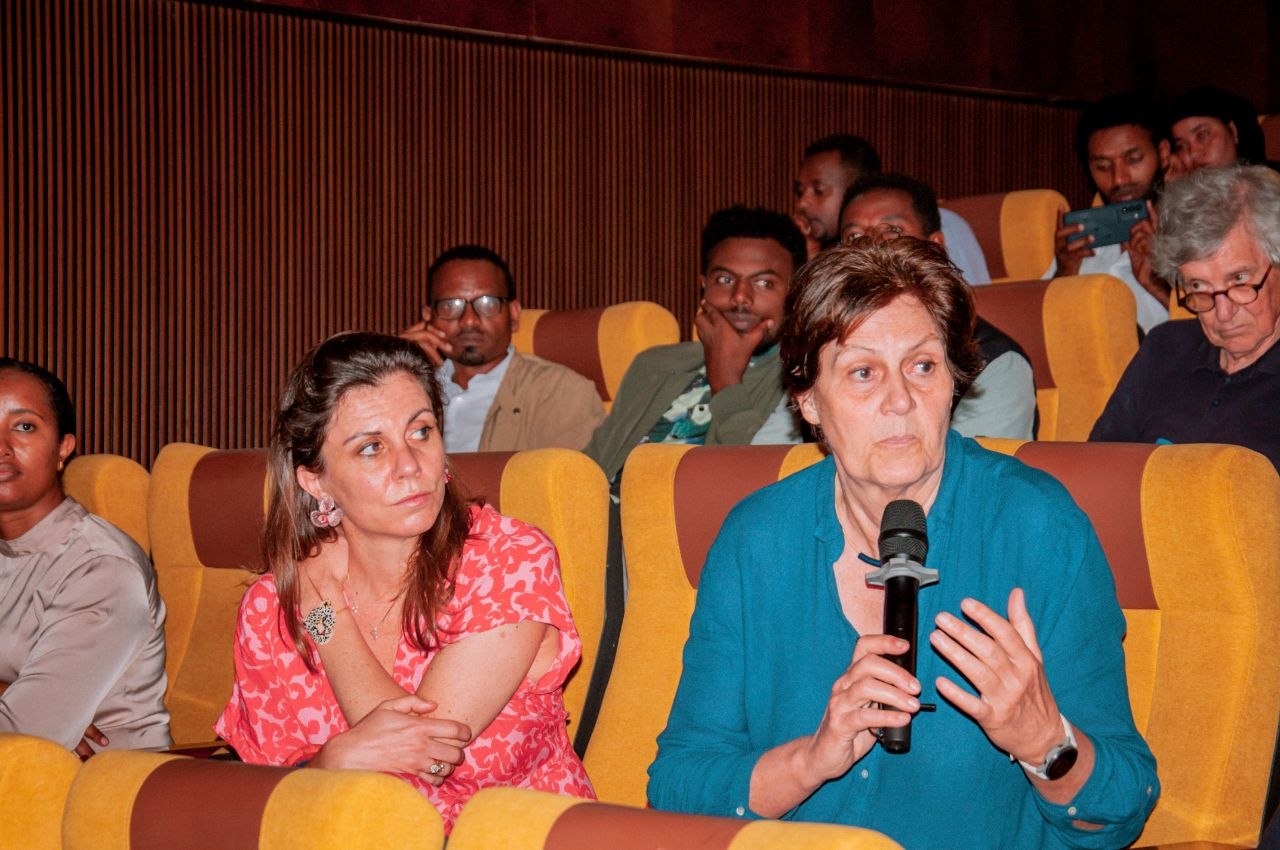
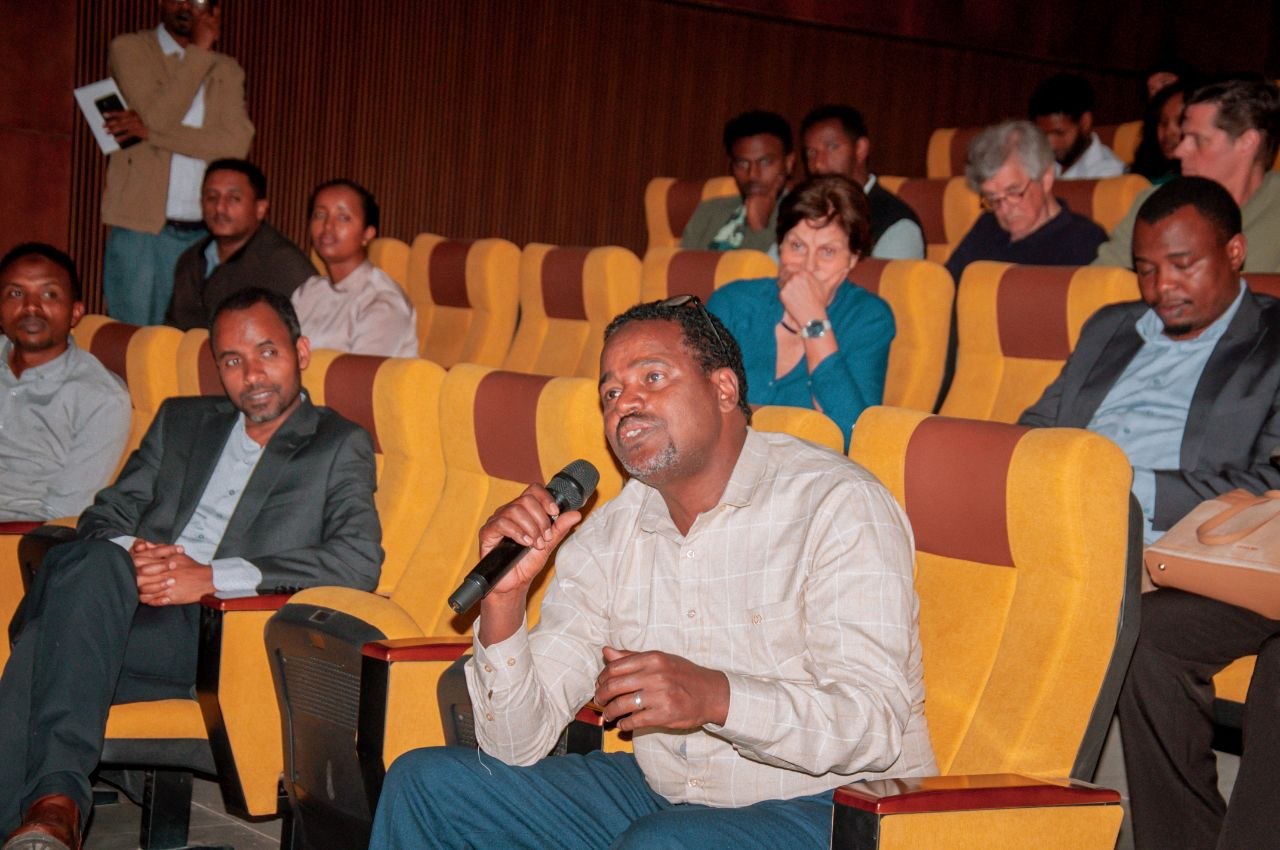 The AFRICARhE project aims to eradicate Rh disease, specifically Hemolytic Disease of the Fetus and Newborn (HDFN), across Ethiopia, Tanzania, and Malawi.
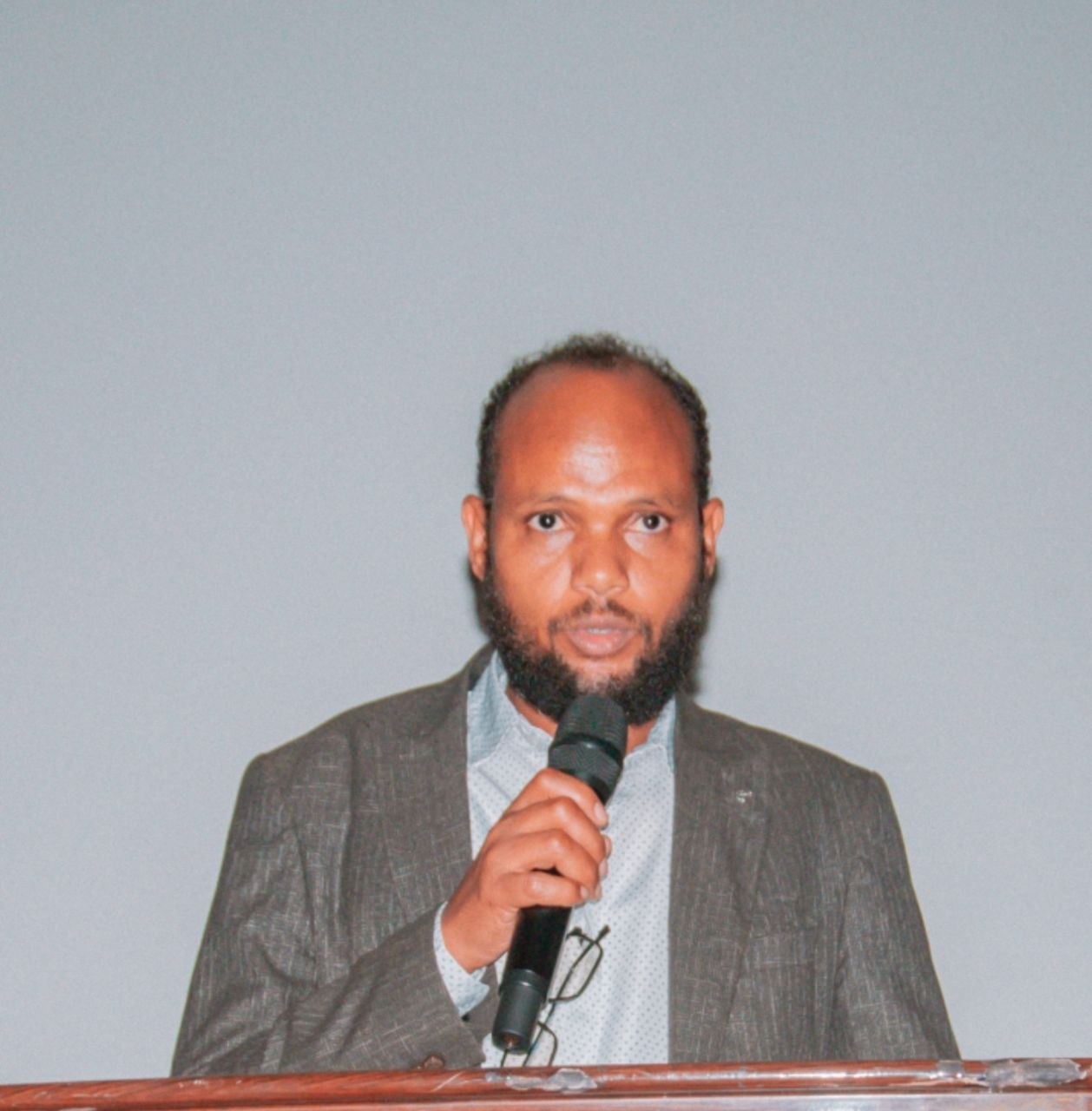 Dr. Mohammednur Abdullahi, Clinical Director of Haramaya University’s Hiwot Fana Comprehensive Specialized Hospital, expressed the hospital’s full commitment to the project’s goals. He emphasized that the hospital would work in close synergy with international partners to ensure the success of the initiative’s second phase.
Rh disease is entirely preventable, yet it remains a significant health threat in the region due to gaps in awareness and resource availability.
 Every pregnant mother must know her blood type during her first prenatal visit,” stated Dr. Tadesse Gure, an Obstetrician-Gynecologist and Maternal-Fetal Medicine specialist at Haramaya University.
Dr. Tadesse highlighted that while the administration of the Anti-D (RhIG) injection is a standard preventive measure, the primary obstacles remain:
Inconsistent availability of the injection in health centers, and a lack of knowledge among expectant mothers regarding blood type compatibility.
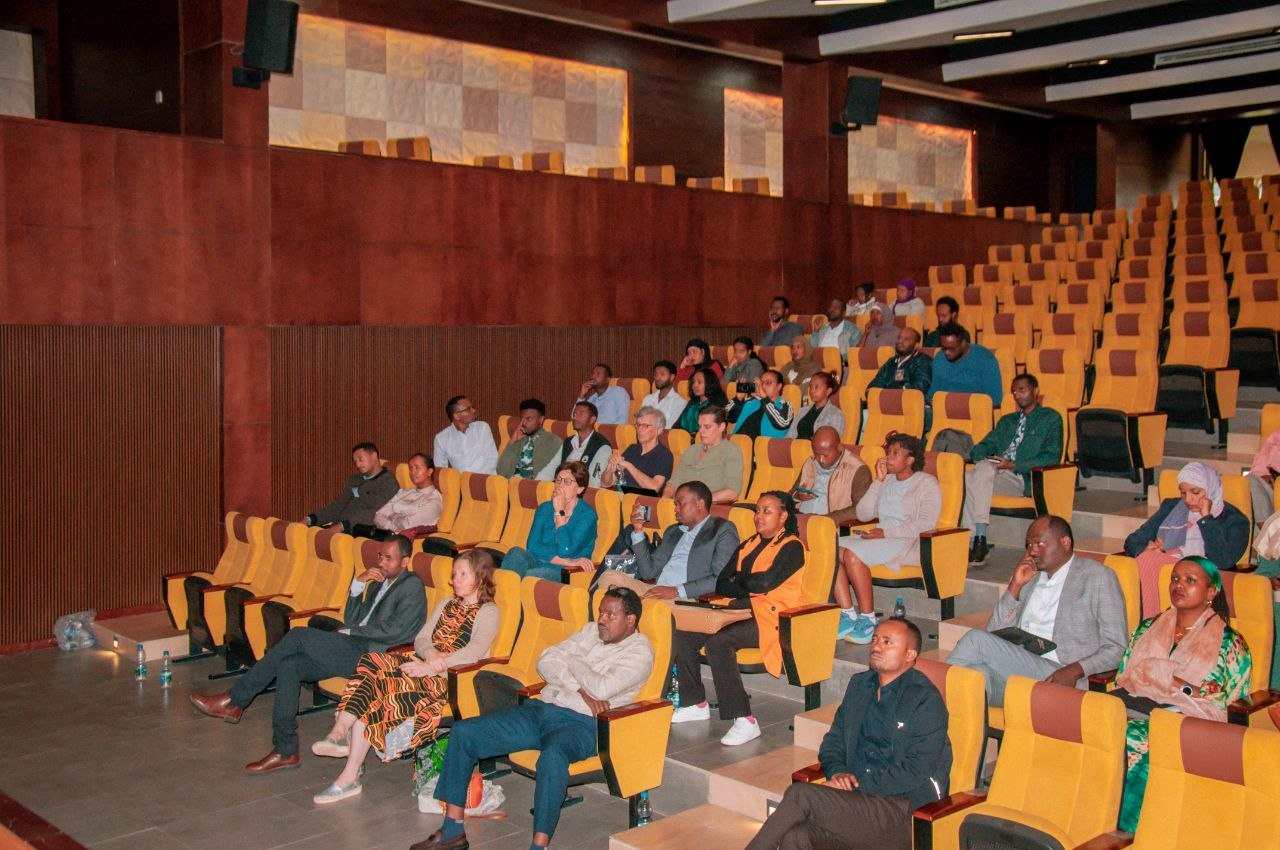 A research paper presented at the forum detailed the current status of Rh disease in the three participating countries. The data underscored the urgency of moving beyond a donation-based model.
To ensure long-term sustainability, the AFRICARhE project is not only facilitating the donation of life-saving injections but is also focusing on a strategic shift toward local production within Africa.
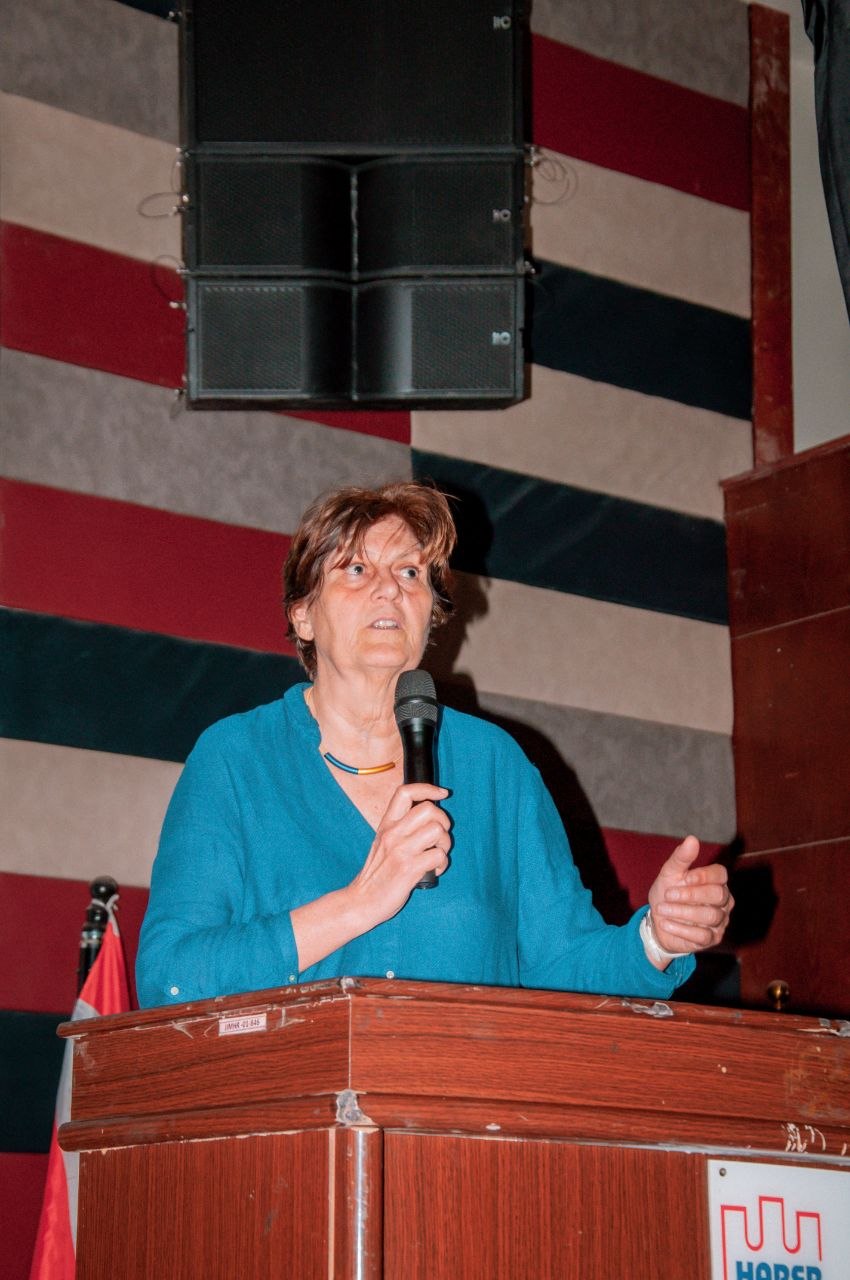
By manufacturing Anti-D injections on the continent, the project aims to solve the supply crisis permanently and protect newborns from severe anemia and other complications related to hemolytic disease.
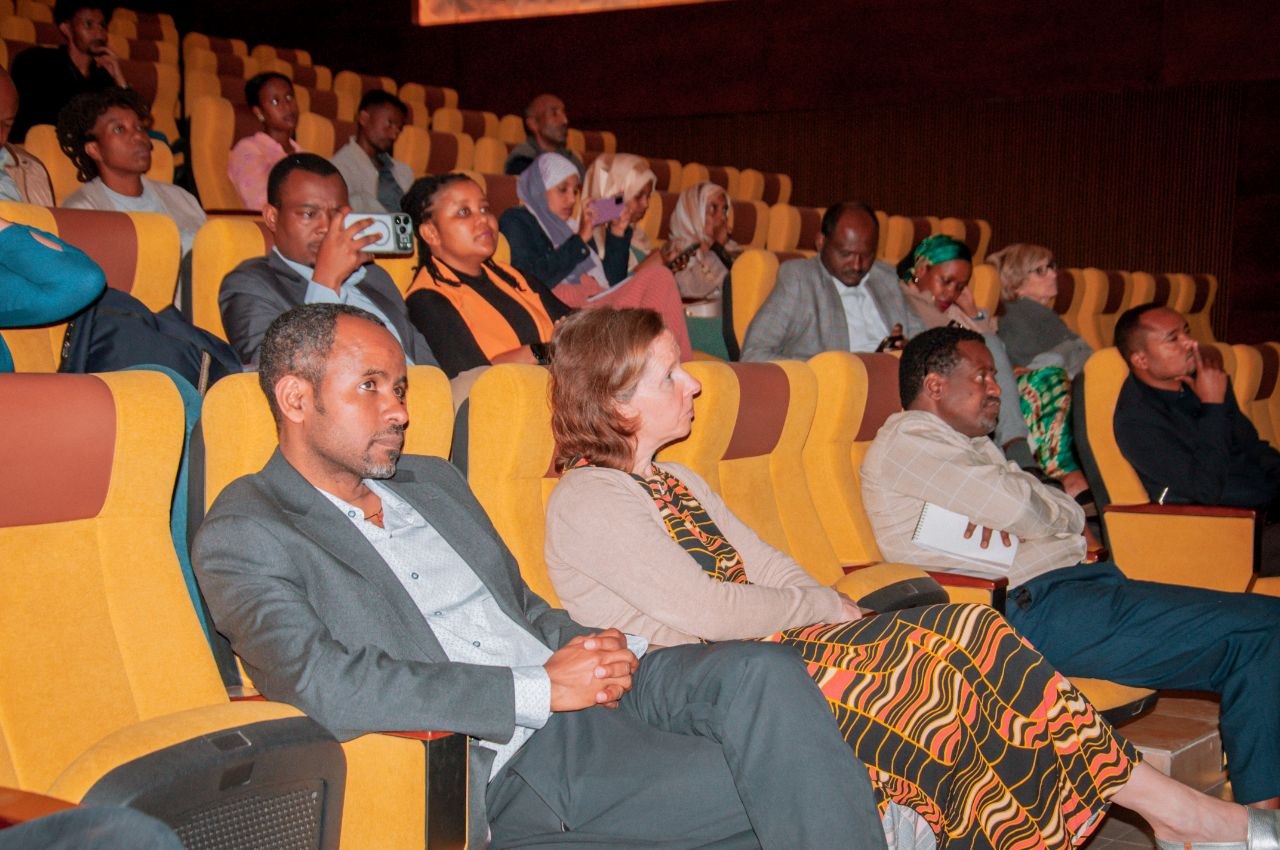
The meeting concluded with a consensus among doctoral students, maternal and child health professionals, and university representatives to integrate their efforts for a future where no child in Africa suffers from this preventable condition.
 Reporter:- Behailu Mekonnen
Photographer:- Eskinder Shemsedin
Haramaya University Public & International Relations
Tags: Anti-D supply, blood safety, disease prevention, health policy, health stakeholders, healthcare advocacy, healthcare supply shortage, immunoglobulin supply, Maternal and Child Health, maternal health, pregnancy complications, public health crisis, Rh incompatibility, Rhesus disease, urgent health action