Haramaya University Concludes High-Level Multidisciplinary Capacity-Building Trainings and Workshops to Drive Transformative Higher Education
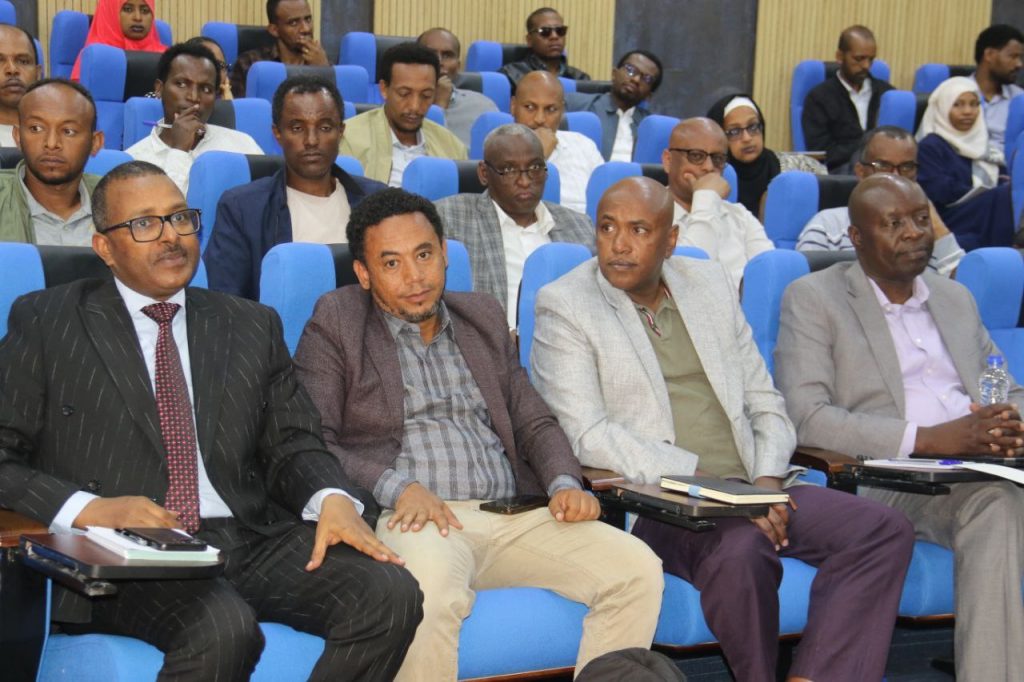
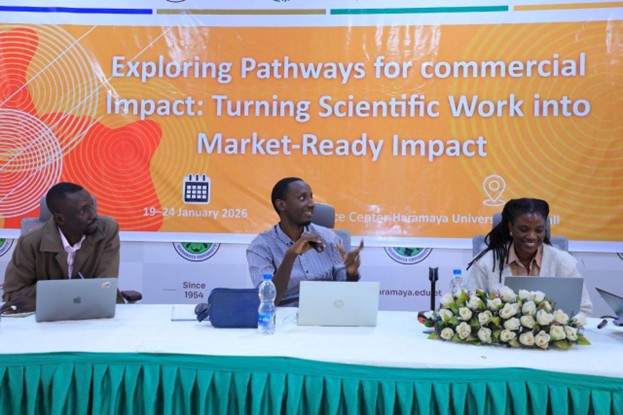
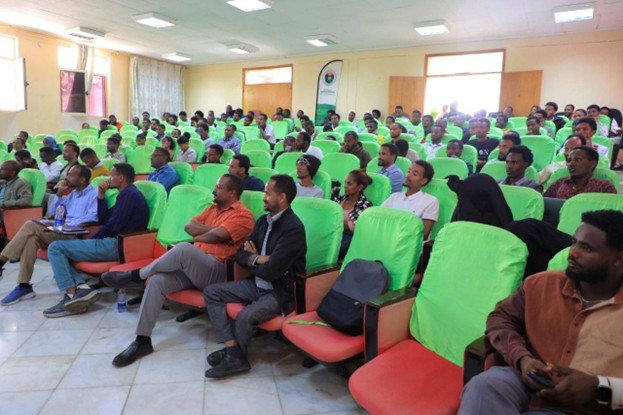
Haramaya University (HU) has successfully concluded a four-day high-level training workshop held from 19–24 January 2026. The workshop brought together more than 400 participants, graduate students, undergraduate students, out-of-school youth, deans, and university leaders across various levels of administration, for intensive training.
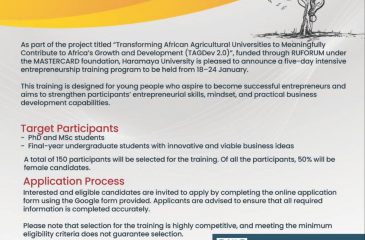
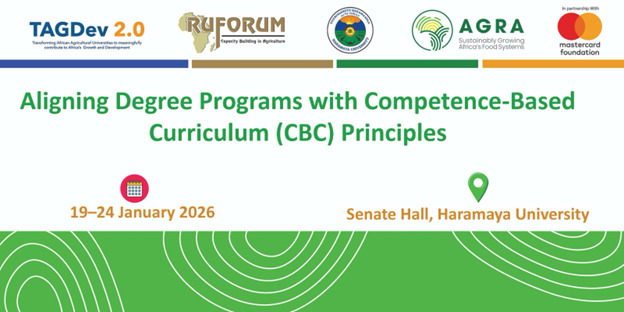
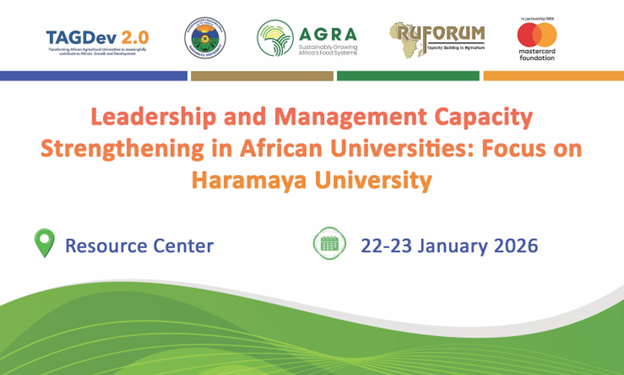
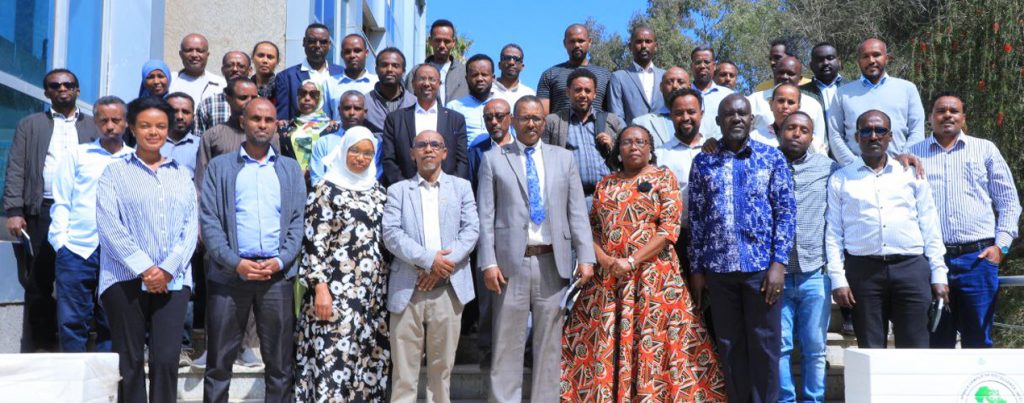
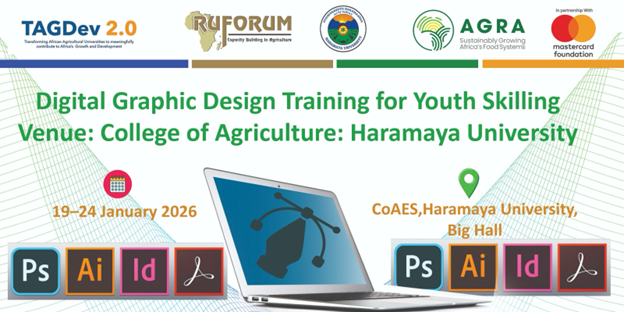
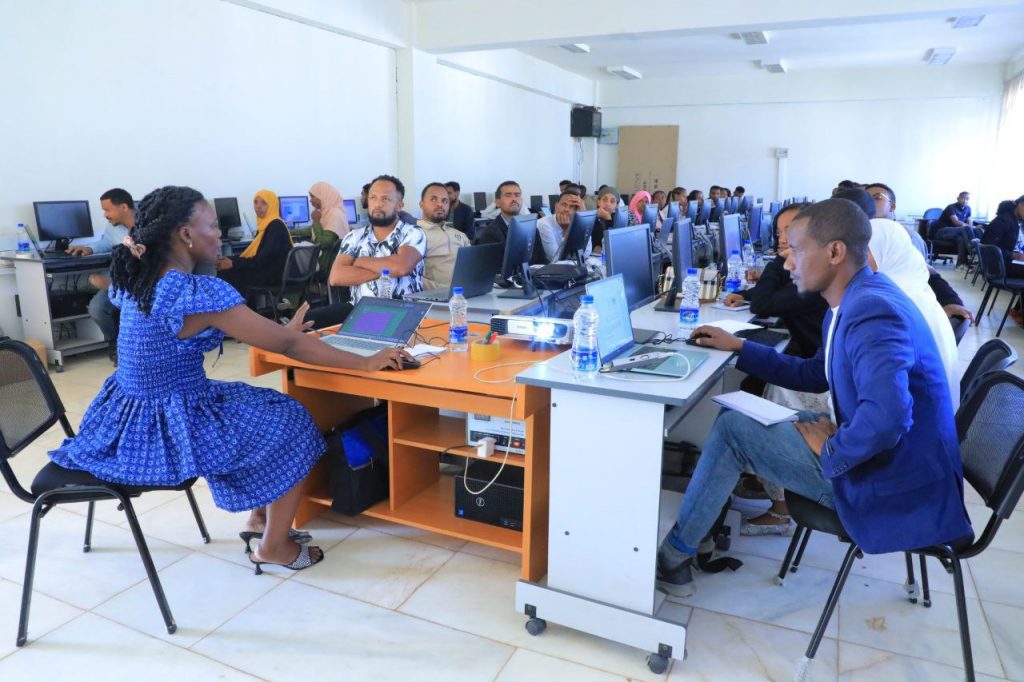
The trainings covered critical thematic areas tailored to Haramaya University’s priorities: Aligning Degree Programs with Competence-Based Curriculum (CBC) Principles (85+ participants), Leadership and Management Capacity Strengthening in African Universities: Focus on Haramaya University (45 participants), Digital Graphic Design Training for Youth Skilling and Entrepreneurship (47+ out-of-school youth), and Entrepreneurship Training: Exploring Pathways from Researcher to Innovator, Turning Scientific Work into Market-Ready Impact (135 participants).
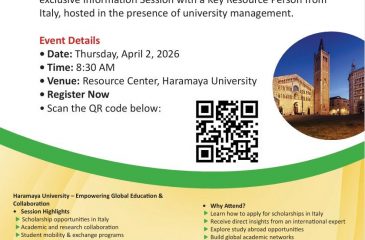
In addition to these specialized trainings, a motivational session on entrepreneurship and career pathways was delivered to several hundred Haramaya University students, inspiring them to pursue innovation-driven futures.
The overarching objective of the engagement was to strengthen transformative curriculum development aligned with 21st-century higher education needs, while reorienting university leadership toward a vision of institutional transformation. The workshop also reflected HU’s growing capacity for international collaboration and its ability to host high-level, multidisciplinary training programs.
These initiatives underscore the University’s commitment to advancing quality education, fostering innovation, and equipping youth with market-relevant skills essential for sustainable development.
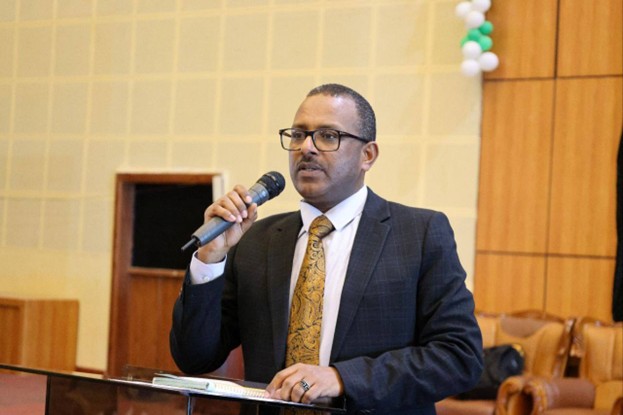
In his opening and keynote address titled “Building an Impact-Oriented University to Drive National Development in Ethiopia: The Case of Haramaya University,” Dr. Jemal Yousuf, President of Haramaya University, highlighted the institution’s more than 70-year journey toward excellence and institutional strength. He emphasized the critical importance of partnerships- particularly with long-standing collaborators such as RUFORUM – in advancing HU’s strategic agenda of autonomy, transformative curricula, and sustainable enterprise creation.
Dr. Jemal underscored that curriculum transformation is not merely about adjusting course titles, but about: reshaping mindsets, redesigning competencies, expanding experiential and community-based learning, fostering enterprise creation, supporting agribusiness incubation, and graduating innovators prepared to create, not wait for, employment. The President reiterated that Haramaya University is committed to becoming a transformative, entrepreneurial, and research-driven engine of national development.

In her opening speech, Dr. Florence Mayega, Deputy Executive Secretary of RUFORUM, reaffirmed the network’s commitment to supporting transformative curricula and enterprise development across Africa, highlighted RUFORUM’s longstanding collaboration with Haramaya University and commended HU’s vision in pursuing autonomy and an entrepreneurial university model.
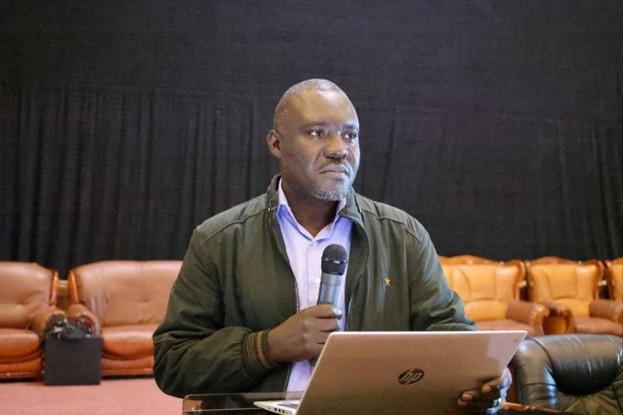
Prof. Anthony Egeru, TAGDev 2.0 Program Director, provided an overview of RUFORUM’s history as a network of more than 175 African universities and its continued role in strengthening institutional capacities. He stressed the importance of building the capabilities of universities like Haramaya to advance the continent’s transformative education agenda.
The mission to HU also includes field visits to the main research sites of the project and the Agricultural and Rural Innovation Incubation Hub.
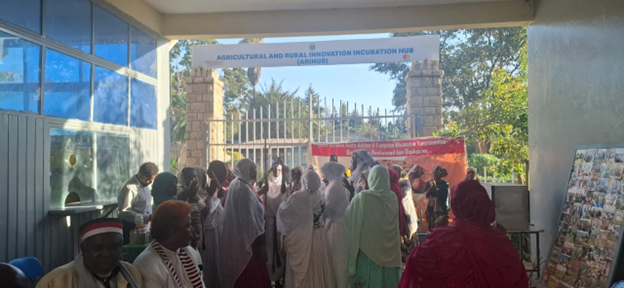
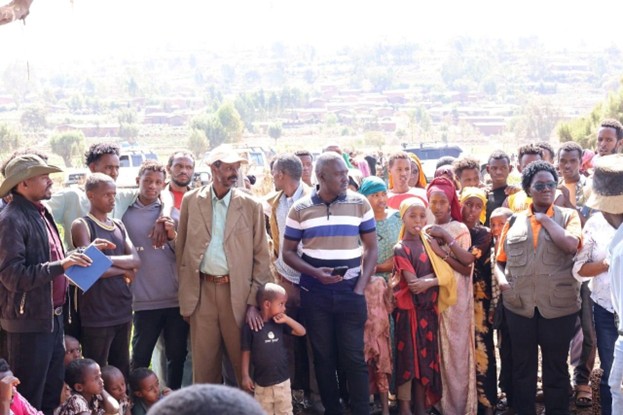
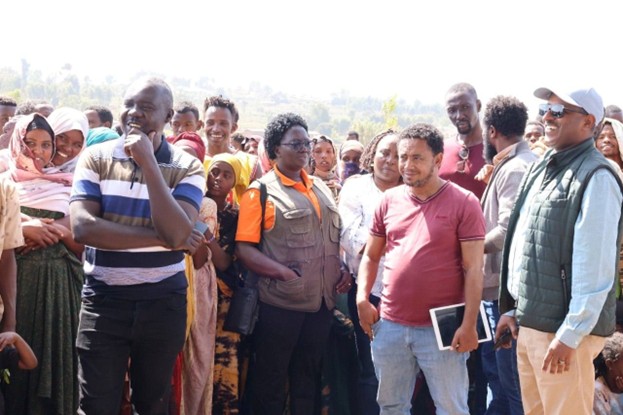
The RUFORUM delegation to HU consisted of a 10-member expert team led by senior academic and professional leaders in the TAGDev 2.0 initiative.
Dr. Jemal emphasized the significance of the long-standing partnership between RUFORUM and Haramaya University, highlighting the workshop’s role in advancing HU’s pursuit of institutional autonomy and improving educational quality.
The training was delivered in collaboration with the TAGDev 2.0 Project, AGRA, RUFORUM, and the Mastercard Foundation. RUFORUM, established in 2004, is a network of 175 universities across 40 African countries dedicated to improving the capacity of universities to produce skilled graduates, conduct demand-driven research, and promote innovations that transform agri-food systems.
TAGDev 2.0 (2023–2033) is a decade-long initiative implemented through the Agrifood Systems and Entrepreneurship Consortium (ASEC). At HU, the TAGDev 2.0/ASEC project will be implemented from January 2025 – December 2029. It focuses on Agri-Food Systems and Entrepreneurship Development in the Integrated Potato Value Chain in Ethiopia. Implementation partners include Haramaya University, Mekelle University, Wollo University, and two Technical and Vocational Education and Training (TVET) institutions.
The project leadership team includes: Dr. Getachew Shambel, TAGDev Project Coordinator; Dr. Muluken Gezahegn, Assistant Program Coordinator; Dr. Jemal Yousuf, Institutional Advisor; Prof. Jeylan Wolyie, Co-PI and GTA Program Coordinator; and researchers (Dr. Kedir Jemal and Prof. Wassu Mohammed).
TAGDev 2.0 Targets at Haramaya University is to achieve: Creation of 3,260 youth employment opportunities; Establishment of 75 startups; unlock 420 incubation-based jobs, 1500 smallholder farmer seed business jobs, reaching 72,000 smallholder farmers with climate-smart innovations; Planting of 100,000 trees and developing 26 Technologies, Innovations, and Management Practices (TIMPs)
Currently, 20 PhD students have been admitted to the Graduate Teaching Assistantship program, with an additional 5 expected to join in the coming months.
Haramaya University Public & International Relations Directorate
Tags: academic workshops, Capacity Building, educational innovation, Ethiopia higher education, Haramaya University, higher education transformation, institutional development, multidisciplinary training, Professional Development, skills enhancement, transformative education, university leadership