Haramaya University Hosts Two-Day Workshop on Mycotoxin Control and Food Security
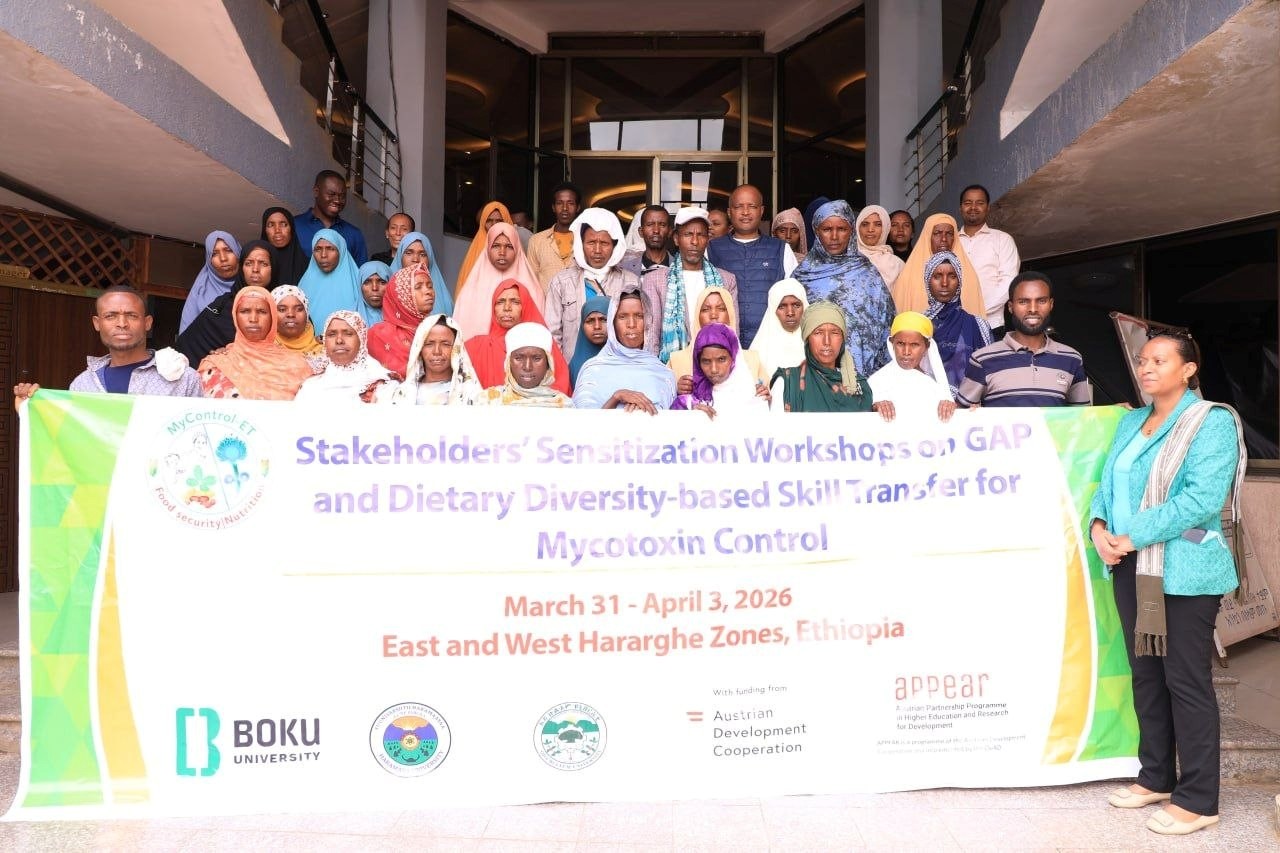
Haramaya University successfully concluded a two-day stakeholders’ workshop and skill transfer training under the MyControl-ET Project, aimed at improving food safety, nutrition, and agricultural productivity in Eastern Ethiopia.
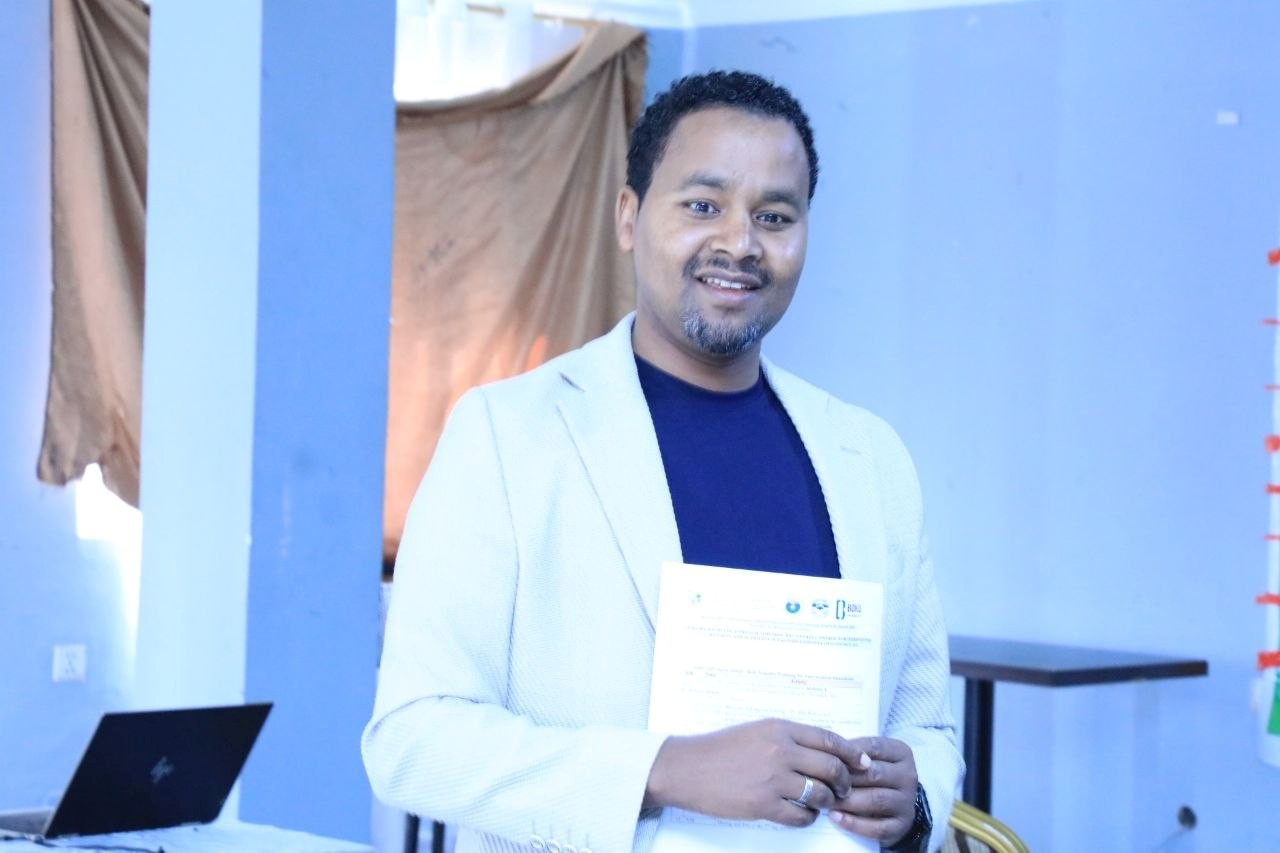 Dr. Abdi Mohammed, Vice President for Administration and Development Affairs at Haramaya University and Project Leader for the MyControl-ET project, explained that the training workshop focused on the sorghum and peanut value chains, providing evidence-based strategies to mitigate mycotoxin contamination.
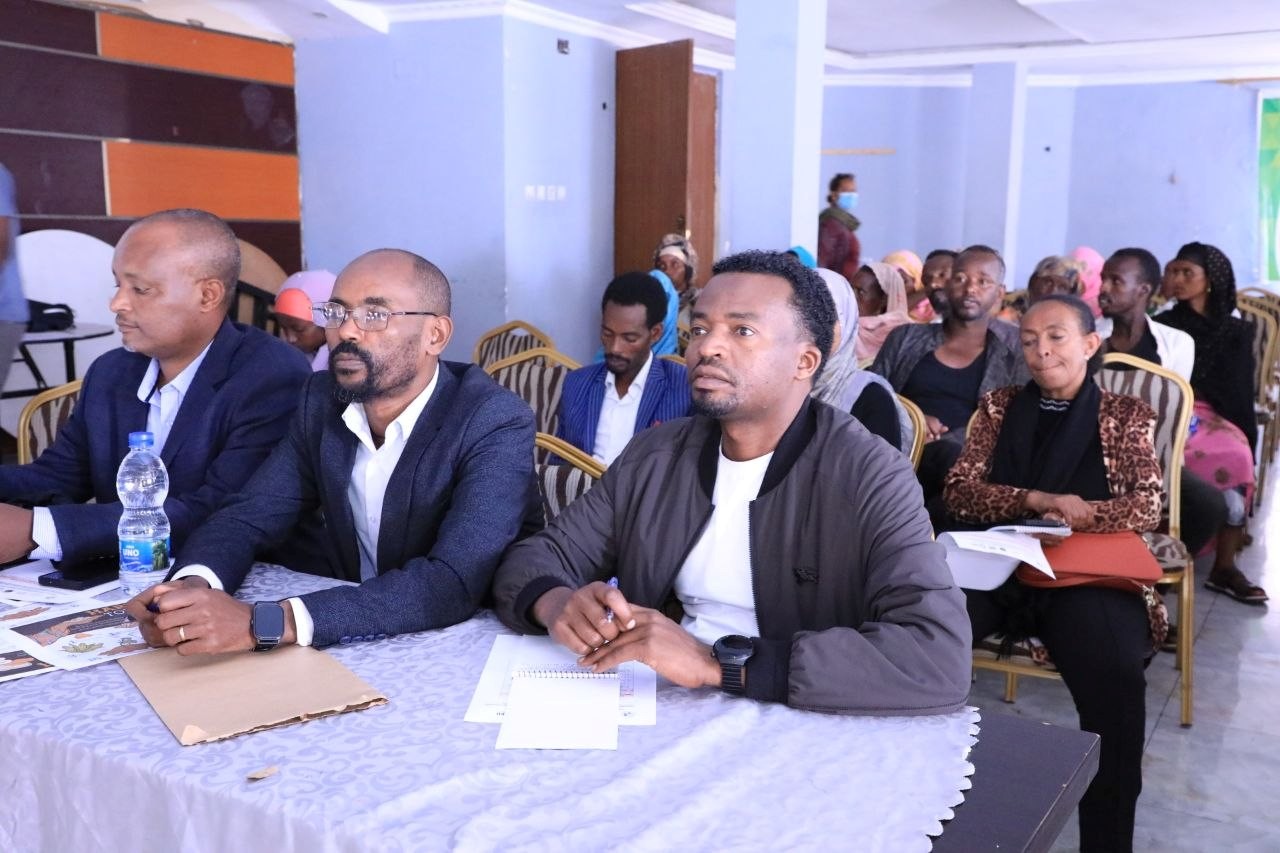 Thirty-four participants, including women farmers, health extension workers, and community members, received practical, skill-based training throughout the session. The workshop included hands-on activities in safe food handling and home food fortification, emphasizing the nutritional benefits of peanuts, particularly for women and children.
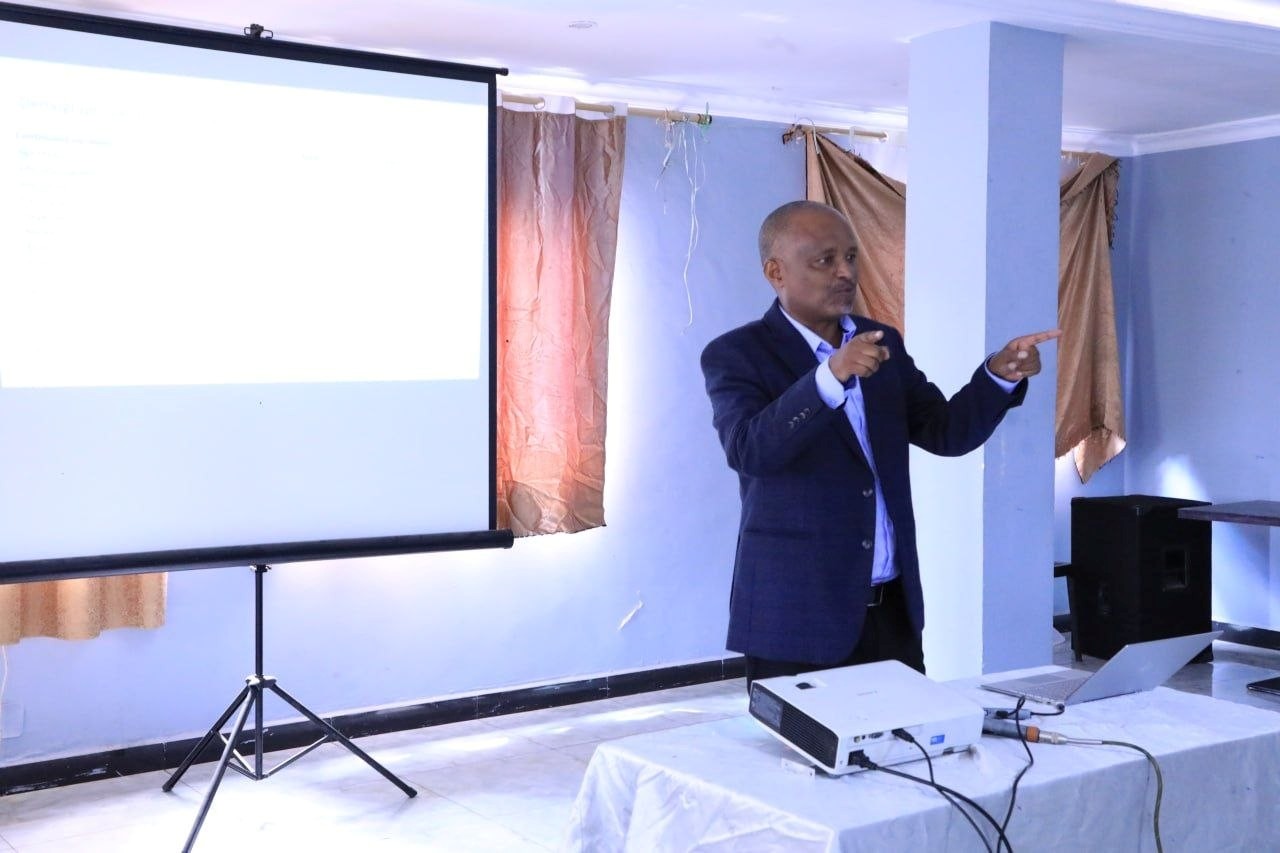
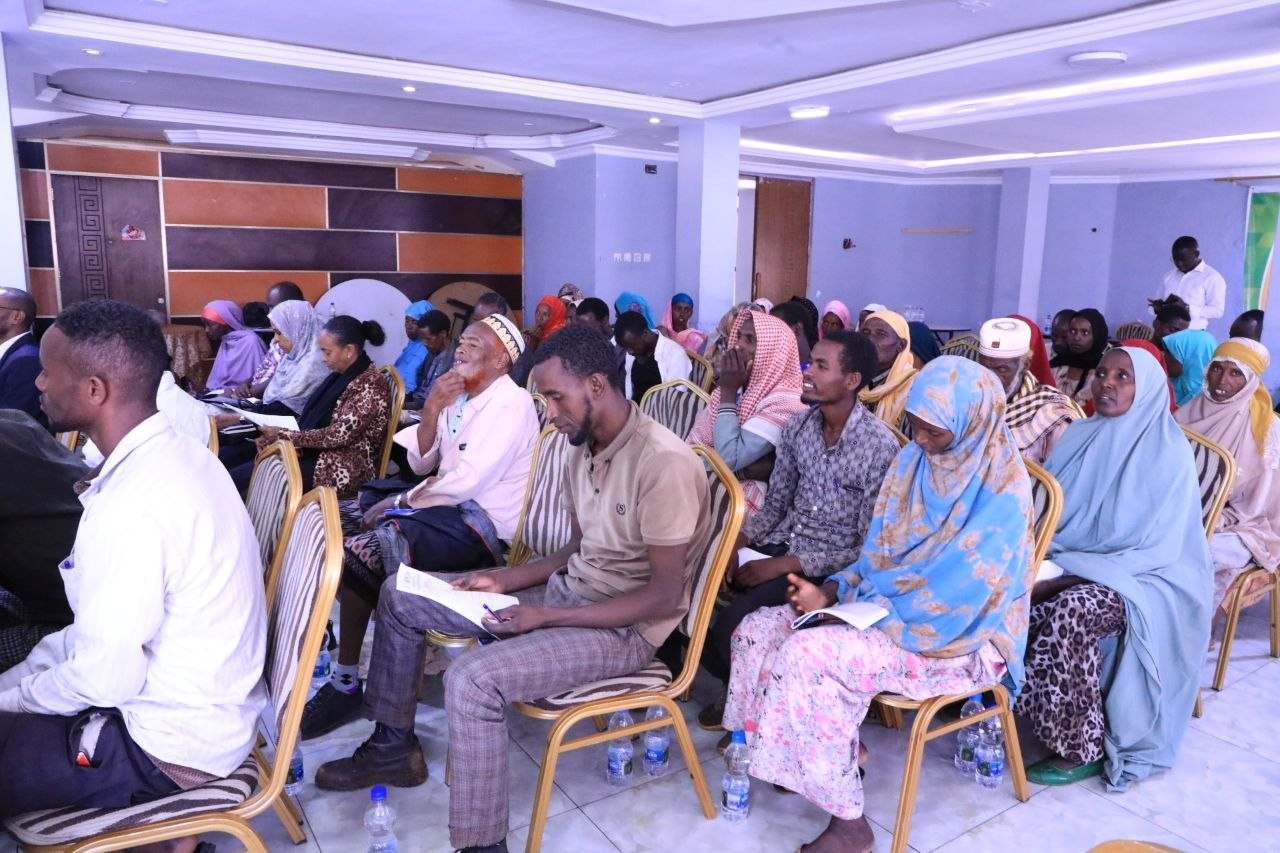
Presentations and discussions were held on mycotoxin prevalence and its impact on food safety, interactive training on improved farming methods and crop variety selection, demonstrations and tastings of fortified foods such as KUNU and OGI, and the distribution of agricultural input packages, including improved seeds, fertilizers, and storage technologies.
According to Dr. Abdi, the MyControl-ET project is supplying better agricultural inputs, including fertilizers, pesticides, and improved peanut and sorghum seed varieties, to increase soil fertility and agricultural output as part of a community capacity-building drive. These inputs are being distributed to 120 farmers in the Babile and Fedis districts, with plans to extend the same technologies to two districts in the West Hararghe Zone through Oda Bultum University.
The workshop also offered a platform for stakeholders to review research findings, share experiences, and discuss practical solutions to challenges such as inadequate storage facilities, climate variability, and limited market access.
Project leaders, including senior researchers and coordinators of the MyControl-ET initiative, highlighted the importance of integrating agricultural innovation with nutrition-sensitive approaches, promoting diversified crop production, improving post-harvest handling, and increasing access to nutritious food to enhance household livelihoods and food security.
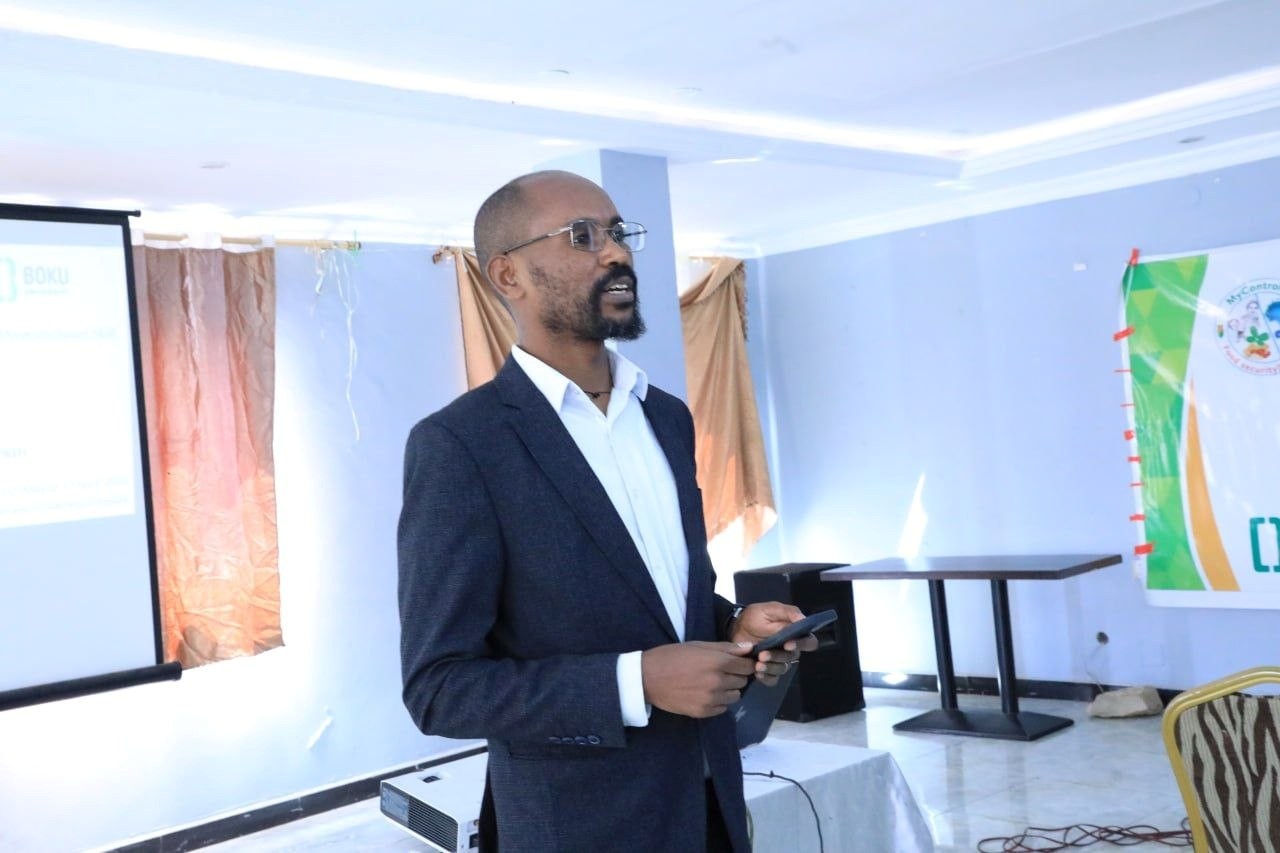
The Director of Research Affairs and Delegate for the Vice Presidents for Research and Community Engagement, Dr. Deribachew Bekana, emphasized the importance of translating knowledge into practical solutions. He underscored the need to strengthen collaboration to ensure sustainability.
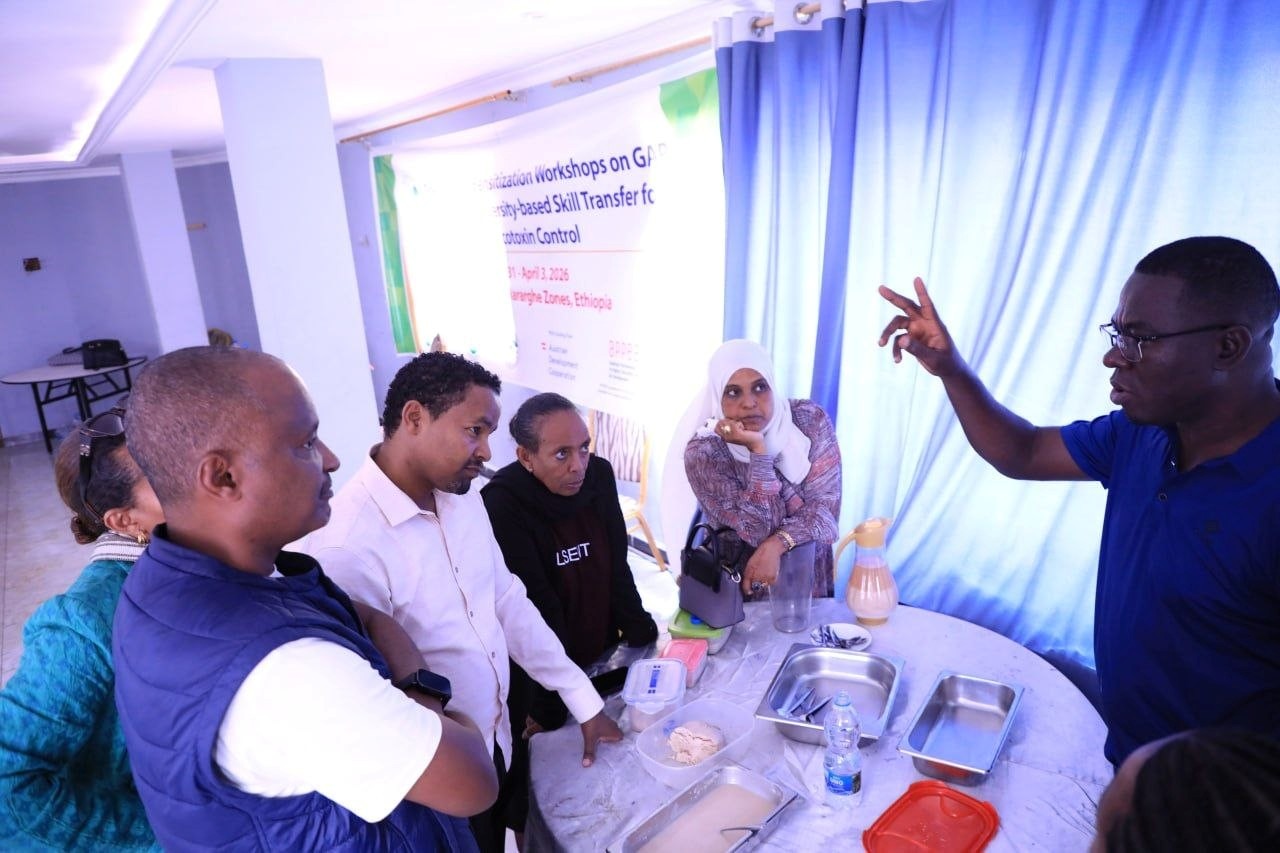
At the workshop, Prof. Chibundu Ezekiel from BOKU University, the project principal investigator, contributed substantially to the workshop sessions.
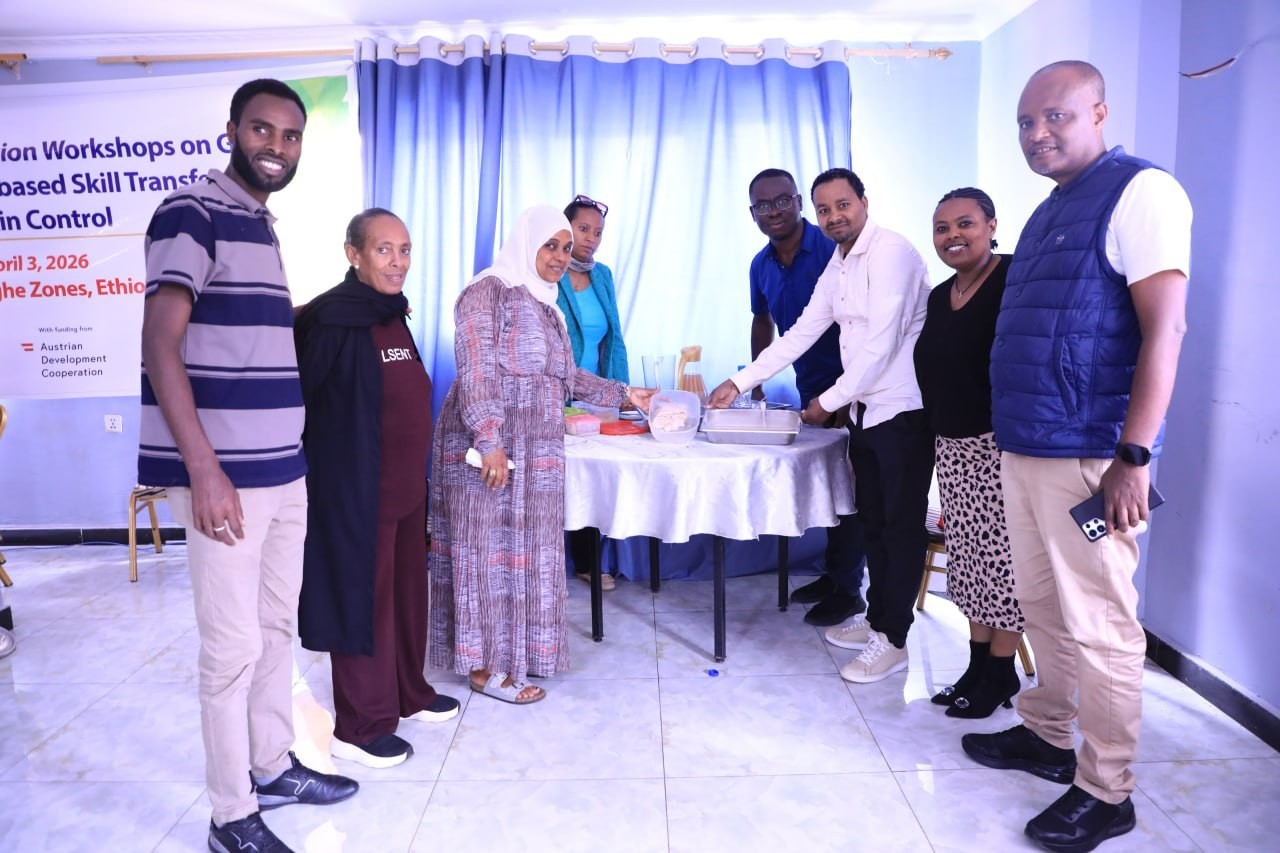 The Haramaya University project team contributed to the workshop by facilitating discussions with participants on research ethics and presenting key socio-economic findings. By promoting protective food systems, improved farming practices, and sustainable nutrition interventions, the MyControl-ET project continues to play a significant role in strengthening community resilience.
Photographer:- Behailu Girma
Haramaya University Public & International Relations
Tags: Academic Workshop, Agricultural Research, Capacity Building, Crop Protection, Food Safety, Food Security, Haramaya University, higher education, Mycotoxin Control, Public Health, Research and Innovation, Two-Day Workshop