Stakeholders Emphasize the Need for Institutional Coordination to Ensure Food Safety in Ethiopia: PIONEER Project Set for Multi-Institutional Implementation
Various institutions working in food-related sectors in Ethiopia must coordinate their efforts to prevent and address the health, social, and economic challenges arising from poor food safety.
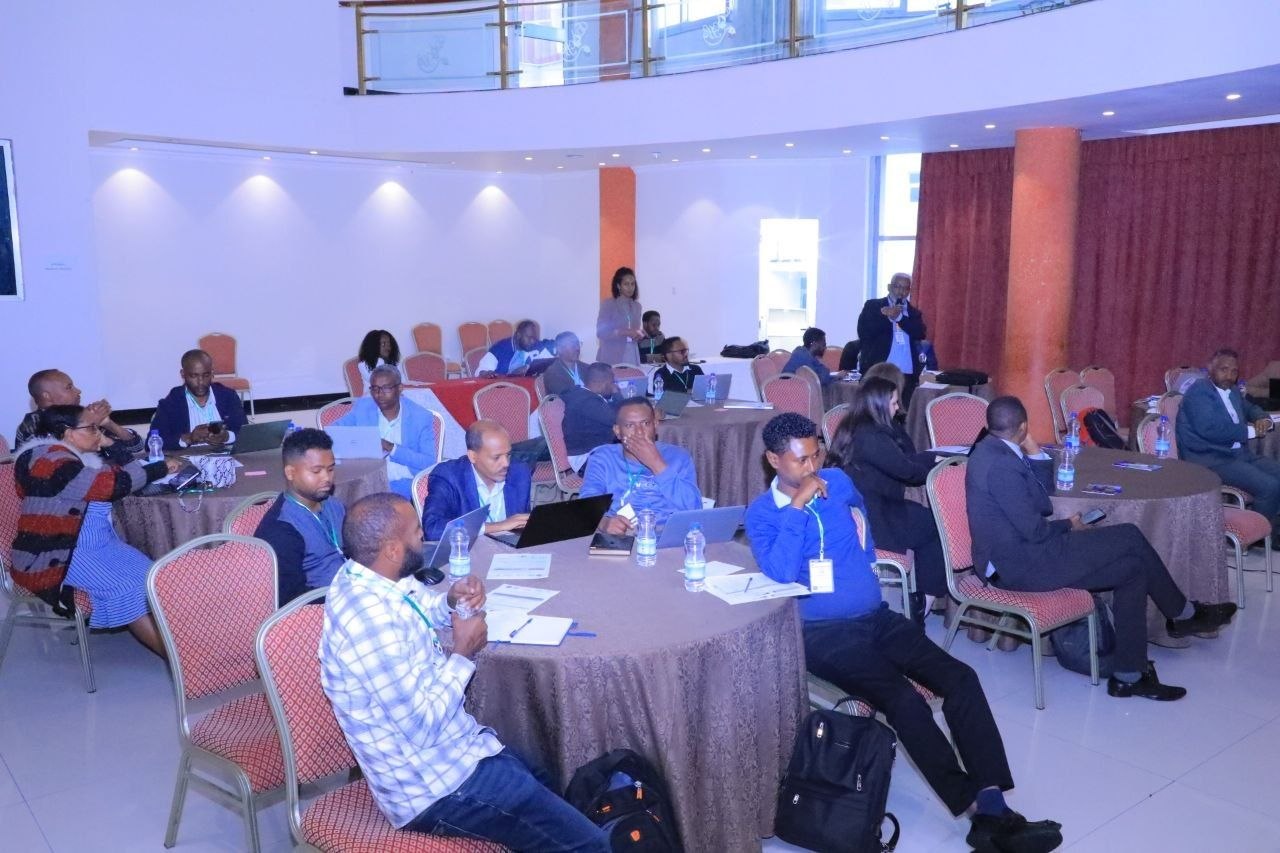
This message was emphasized during a consultative workshop held in Addis Ababa by Haramaya University’s Foodborne Disease Surveillance and Survey (PIONEER) project, in collaboration with government agencies and partner organizations focused on food safety.
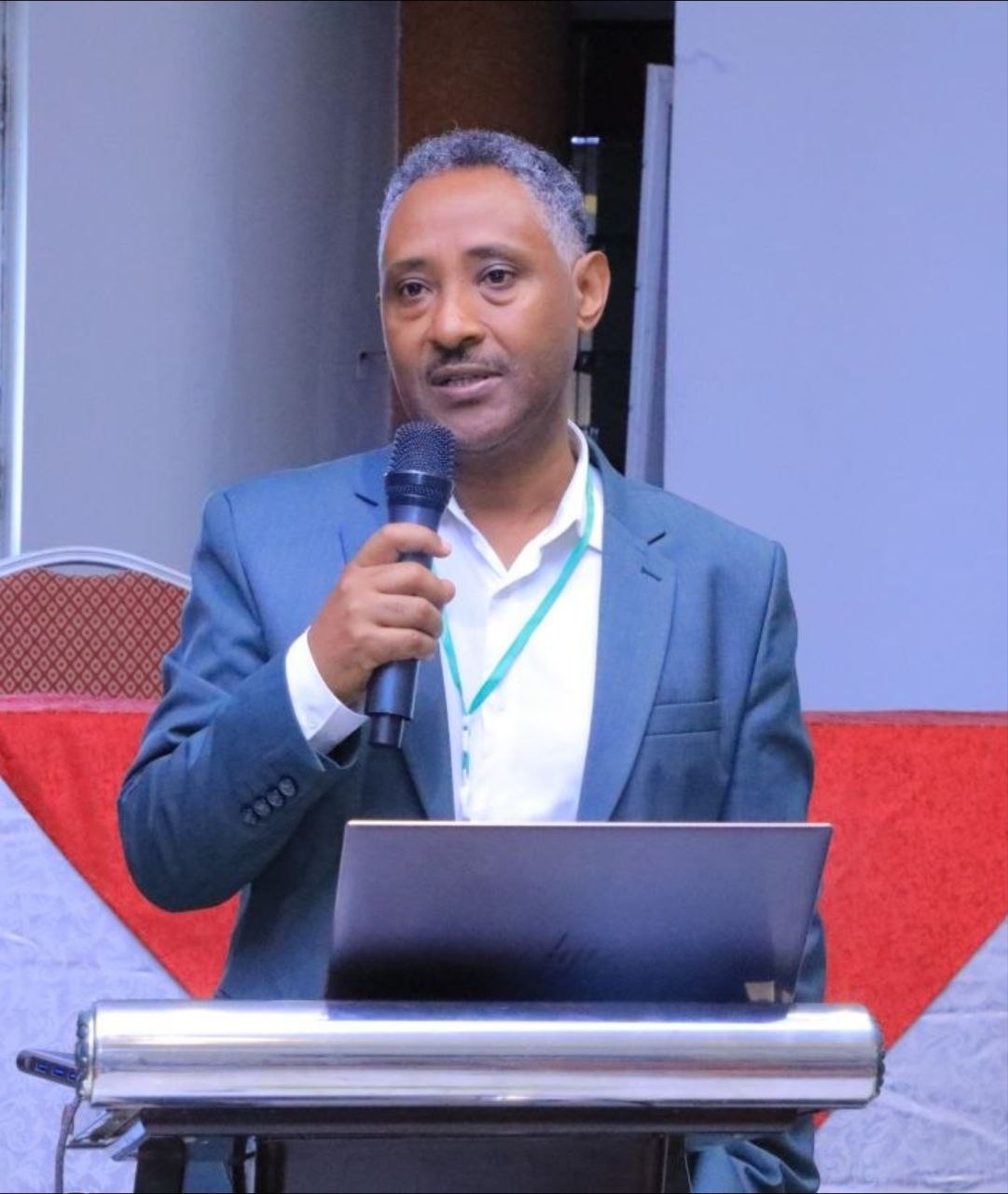
Dr. Desalegn Admasu, the Principal Investigator of the PIONEER project, stated that the initiative aims to establish a surveillance system to monitor and control foodborne diseases across the country. Led by Haramaya University, the project collaborates with Arba Minch University, Debre Berhan University, and St. Paul’s Hospital Millennium Medical College. It will utilize the Health and Demographic Surveillance System (HDSS) sites managed by these higher education institutions.
Dr. Desalegn explained that foundational preparatory activities conducted over the past few months included training data collectors, engaging with community representatives, establishing technical advisory groups at the HDSS sites, and forming a national steering committee led by the Ministry of Health.
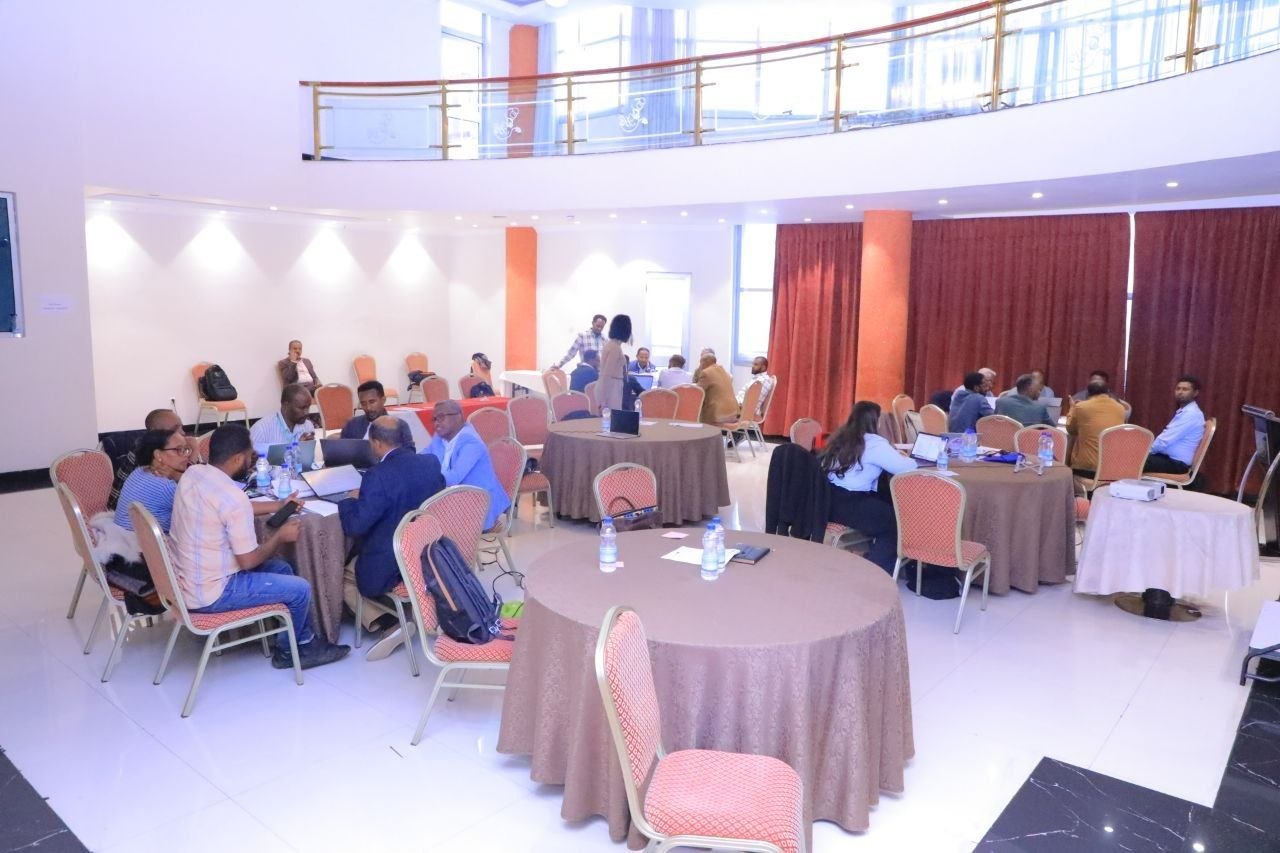
Despite the presence of multiple government institutions focused on food safety in Ethiopia, the lack of a unified platform has previously hindered collaborative data synthesis and exchange. The PIONEER project aims to address this gap by bringing stakeholders together to ensure that data on food safety and foodborne diseases are effectively integrated for the benefit of the nation.
Dr. Desalegn further elaborated that instead of allowing research findings to go unused, the project will provide actionable data and policy inputs capable of influencing national policy directions. Over the next four years, the project will work toward establishing a shared understanding of how Ethiopia’s foodborne disease surveillance system should operate, facilitating information exchange to prevent and reduce foodborne illnesses.

Dr. Masresha Tessema, Director for Nutrition, Environmental Health, and Non-Communicable Diseases Research Directorate at the Ethiopian Public Health Institute (EPHI), noted that foodborne health risks are increasing both globally and nationally, making institutional coordination essential. He emphasized that the PIONEER project strengthens the surveillance and response system by linking research institutions with national bodies.
Dr. Masresha highlighted that the data generated by the project will serve as a crucial input for EPHI’s national surveillance operations. He added that subsequent efforts will focus on utilizing these baselines to establish legal and regulatory frameworks for implementation at both federal and regional levels.

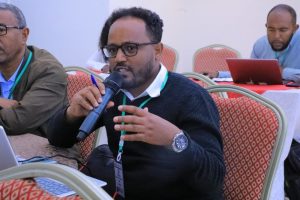


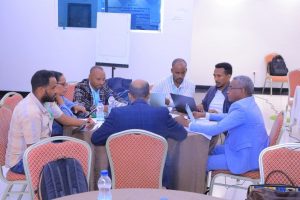

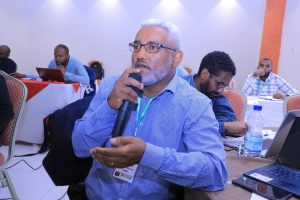
Sector experts participating in the workshop underscored that political leadership and commitment from policymakers are critical for transforming research findings into practical applications that benefit the public and the nation. Participants pledged their support for transitioning the PIONEER project from its preparatory phase to full implementation.
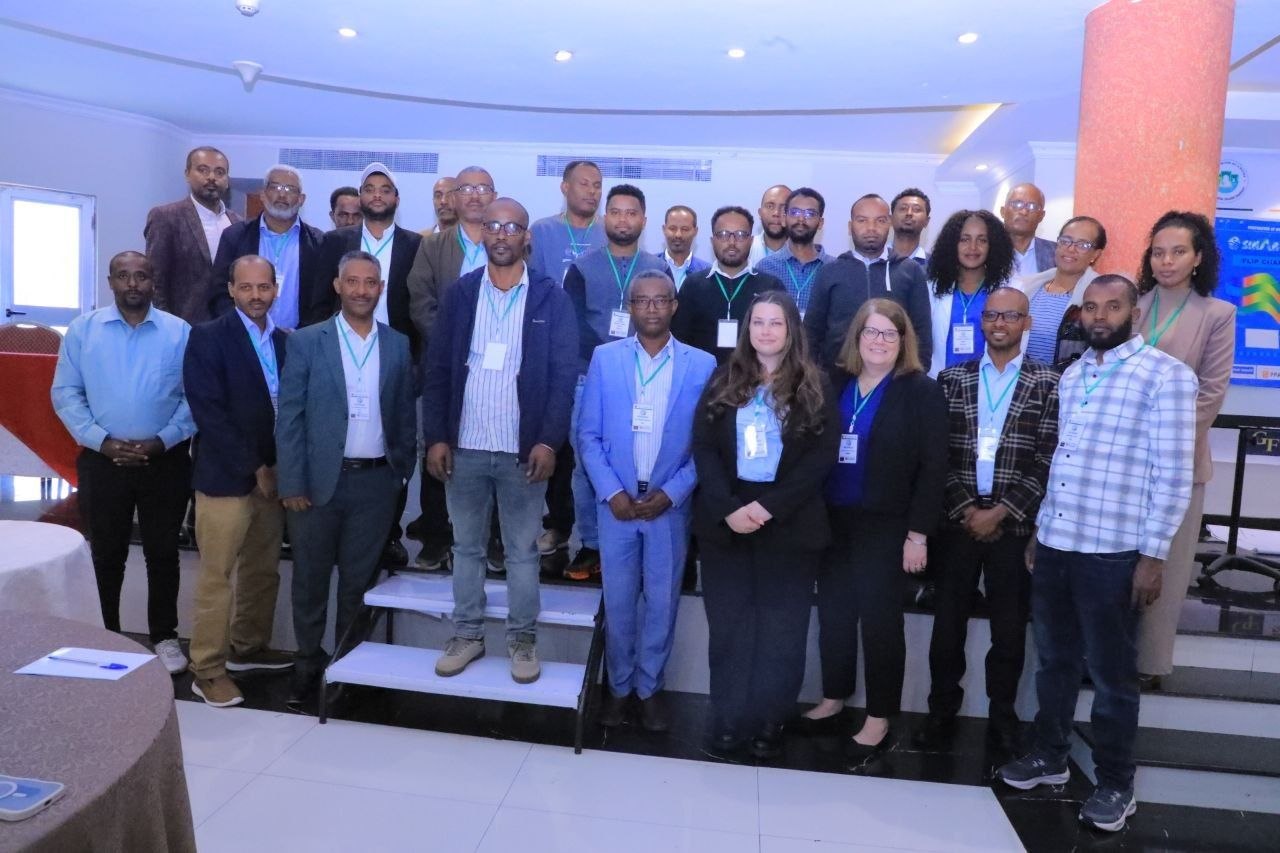
The workshop also featured researchers from George Washington University (USA), one of the project’s supporting institutions, who shared international experiences regarding disease surveillance and response systems.
Photo by: Behailu Girma
Haramaya University Public and International Relations
Tags: Agricultural coordination, Ethiopia, Food Safety, Institutional coordination, Multi-institutional implementation, PIONEER project, Public Health