Modern Agricultural Biotechnology Crucial for Ensuring Food Security, Experts Assert at Haramaya University Seminar
Adopting modern agricultural technologies, particularly advanced plant breeding and biotechnology, is vital to ensuring sustainable food security in the face of rapid population growth and climate change. This key takeaway was highlighted at an international academic seminar hosted by the Department of Plant Sciences at Haramaya University.
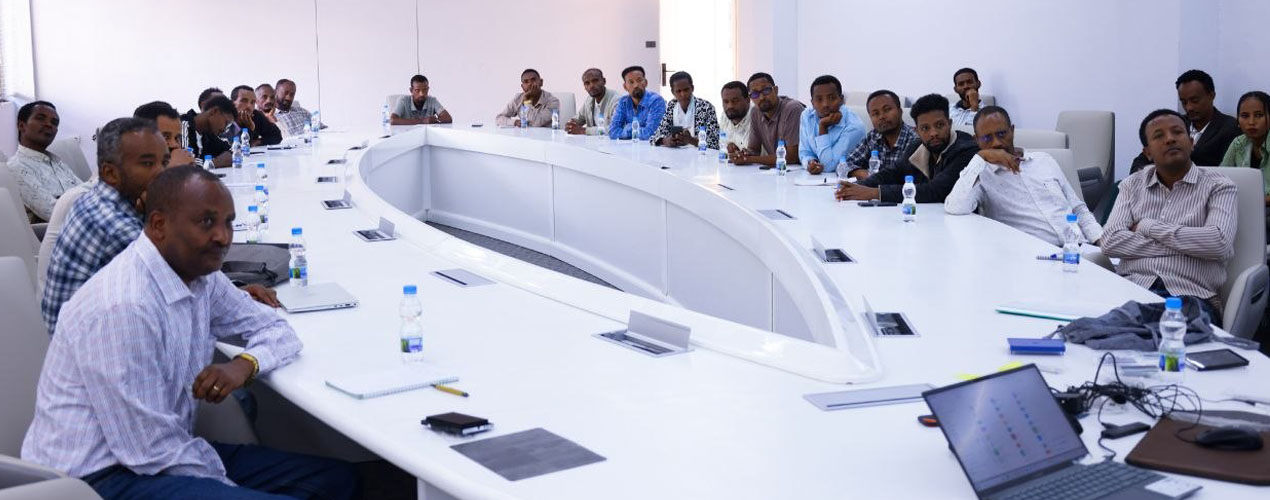
The seminar brought together faculty members, technical assistants, postgraduate researchers, and agricultural specialists to explore cutting-edge methodologies in plant biotechnology, genetic disease resistance, and modern data management in plant breeding. The session was delivered by guest speaker Professor Hermann Buerstmayr, a renowned researcher in biotechnology and plant breeding from the University of Natural Resources and Life Sciences, Vienna (BOKU), Austria.
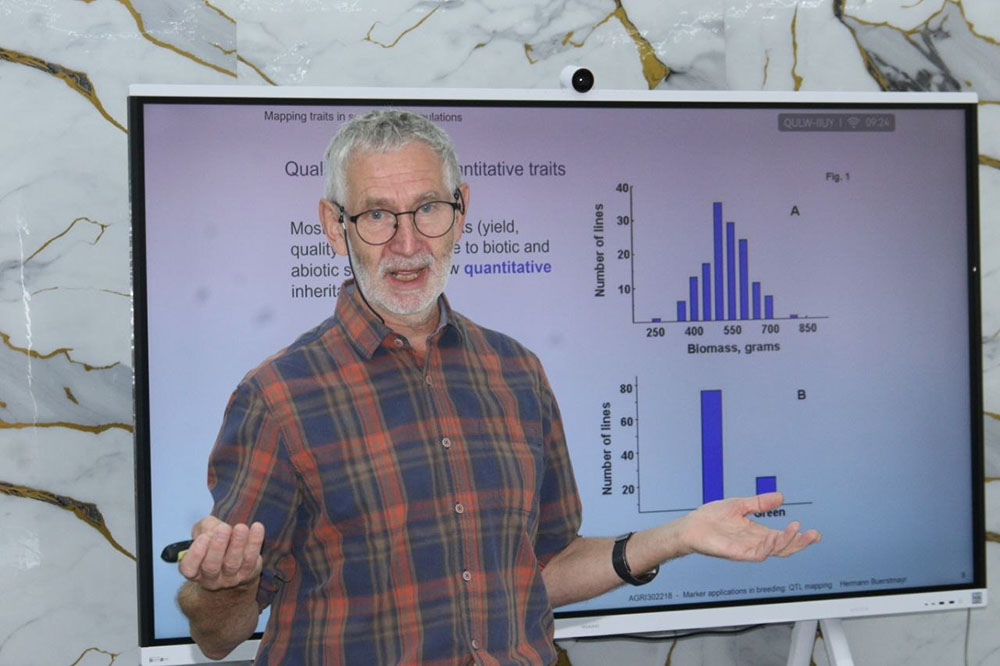
Professor Buerstmayr highlighted his collaborative research across three African nations, focusing on strengthening genetic resistance against major fungal diseases in wheat crops.
Detailing his visit to Haramaya University, Professor Buerstmayr explained that he and his team arrived to evaluate joint research on fungal disease resistance in wheat varieties. He expressed strong optimism regarding the preliminary outcomes, noting that encouraging and novel research findings have already been recorded. “To guarantee food security, we must leverage modern science to maximize crop yield on smaller land parcels while deploying disease-resistant, climate-resilient seed varieties,” stated Professor Buerstmayr. “As global and regional populations expand, agricultural production techniques must modernize at an equivalent pace to serve present and future generations.” He commended Haramaya University for its historical leadership and substantial contributions to national food security, while encouraging the institution to further prioritize modern data management systems and advanced research protocols to remain aligned with global scientific standards. He also reaffirmed his commitment to expanding future collaborative projects and called on local researchers to proactively pursue international partnerships.
Reflecting on the session, Dr. Yonas Moges, a faculty member in Haramaya University’s Department of Plant Sciences, emphasized the immense value of international knowledge exchange for the university community.
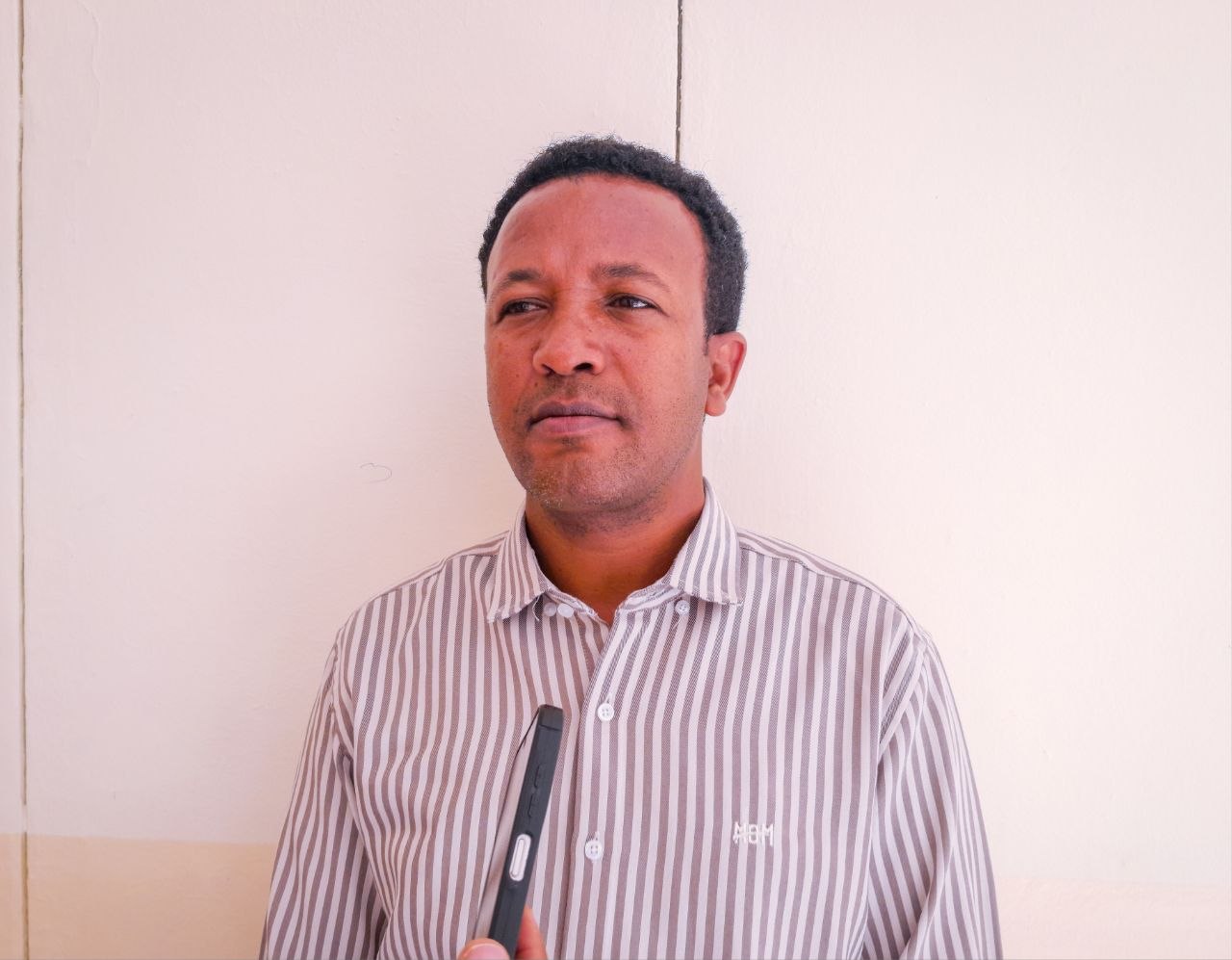
Dr. Yonas noted that exposure to modern biotechnological frameworks and advanced data management practices equips postgraduate students and researchers with competitive skills needed on global platforms. He added that organizing continuous specialized seminars across various agricultural disciplines will remain crucial for enhancing institutional research quality and institutional capability.
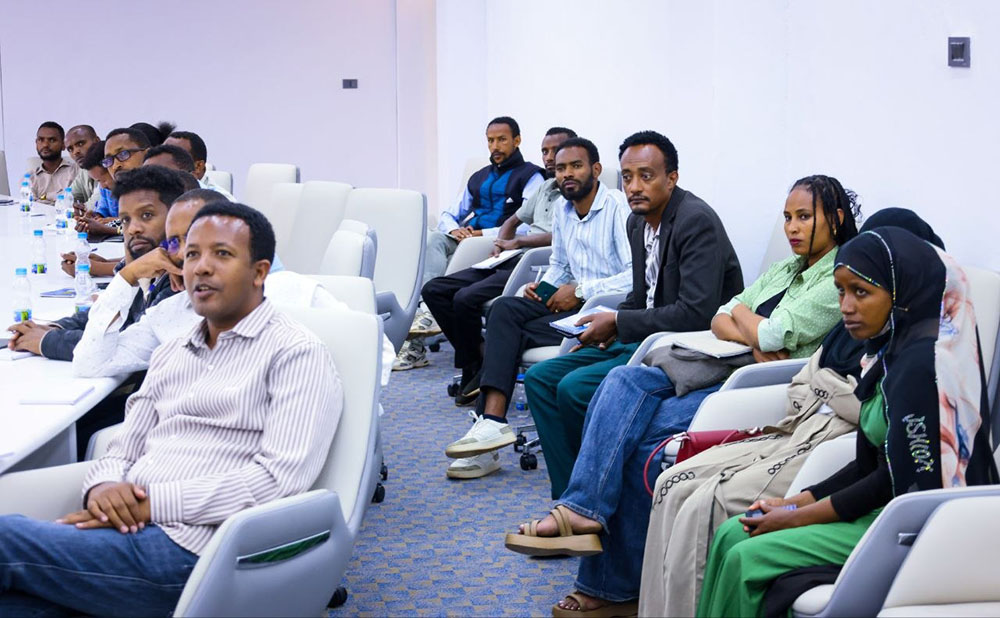
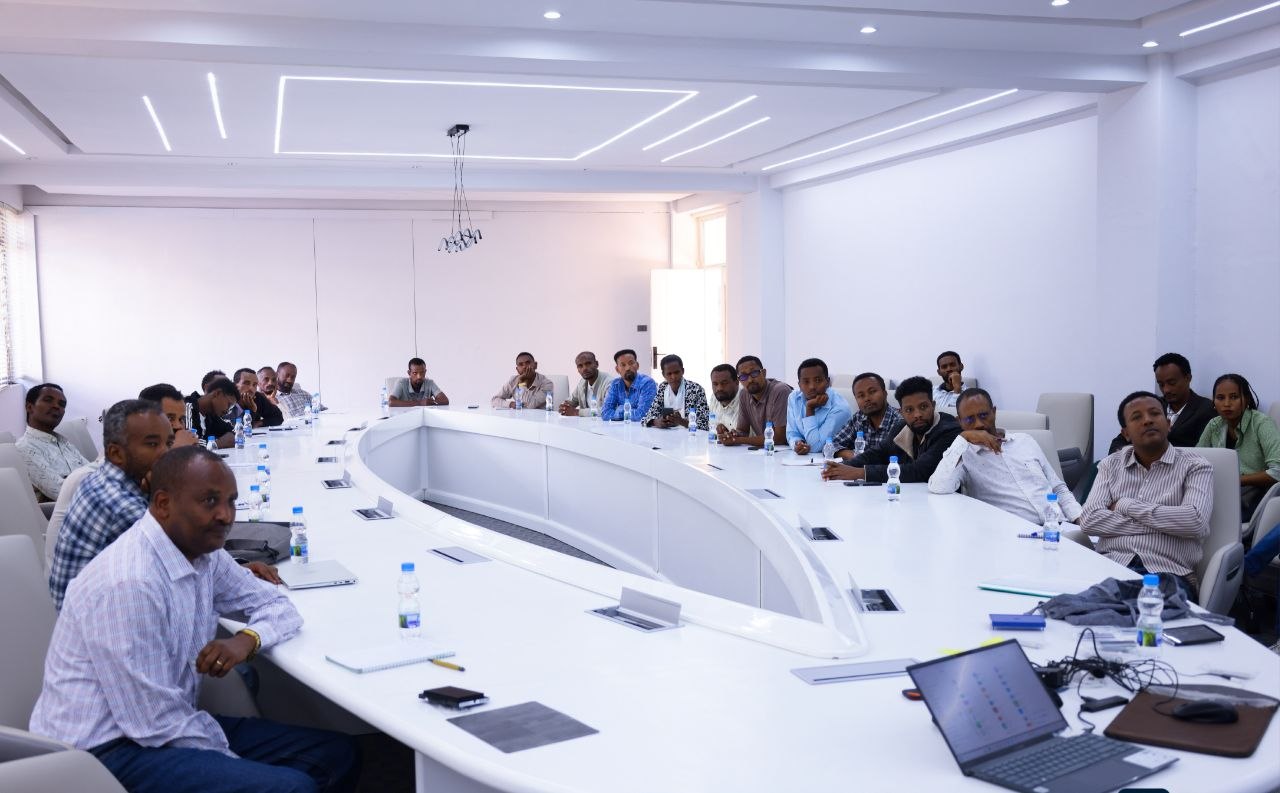
Professor Buerstmayr concluded his visit by praising Haramaya University’s research infrastructure and state-of-the-art laboratory facilities, emphasizing that optimizing data management workflows will further unlock the university’s full research potential.
Reporter: Aweke Ayalneh
Photographer: Foad Ahmed
Haramaya University Public and International Relations Directorate
“Building the basis for Development!”
Tags: agricultural biotechnology, Agricultural Experts, Agricultural Research, Crop Science, Ethiopia Agriculture, Food Security, Haramaya University, Modern Agricultural Biotechnology, Seminar, sustainable agriculture