
Background
Haramaya University officially established the Faculty of Veterinary Medicine in October 2003, within the premises of the main University campus with the aim of training skilled manpower in veterinary medical profession. Following the recent institutional restructuring, the University re-organized the faculty as a college- “College of Veterinary Medicine (CVM)”. The college has a national mandate to provide adequately trained man power to meet the country’s’ demands by conducting educational programs leading to the attainment of professional degrees in veterinary medical disciplines. In addition to its teaching programs, the college also provides diagnostic and consultancy services in animal health problems, conduct research in livestock diseases and production with the final goals of increasing the food resource of Ethiopia by enhancing livestock productivity.
To carry out its academic responsibilities of instruction, research, service and extension, the college is organized into four departments:
- Department of Biomedical Sciences
- Department of Pathology and Parasitology
- Department of Veterinary Epidemiology, Microbiology and Public Health, and
- Department of Clinical Studies
In addition to its regular DVM program, the college is currently working vigorously to expand its training programs at different levels in various areas of veterinary medicine and related science to meet emerging societal needs. The newly proposed MSc program on Veterinary Microbiology is part of this endeavor to respond to the ever increasing societal demands. In addition, the college is also planning to launch regular in-service continuing professional development programs for veterinary and para-veterinary personnel (veterinarians, animal health assistants, and animal health technicians) working in various parts of the country. The refresher courses include abattoir operation and meat inspection, quarantine operation, veterinary diagnostic techniques, management of veterinary service delivery, epidemiological research methods, surgical operations in the field as well as short term training on animal health problems for farm personnel.
Vission
To become center of excellence in vet-erinary education and research
Mission
- To provide high quality training through acquisition, application and dissemination of scientific advances that help in diagnosis, treatment and prevention and control of disease and maintain health of animals and protection of the public health.
- To conduct applied research that can support the development of endeavors of the country and advance learning through the extension of veterinary knowledge and technology.
- To provide community service and enhance productivity of animals through animal health extension and to offer continuing education and training program linked with professional upgrading of field and academic staff for the benefit of the region and the nation at large.
Department | Programs | Details |
Doctor of Veterinary Medicine | BSc. in Doctor of Veterinary Medicine (DVM) | |
Master’s Programs 1. MSc in Veterinary Epidemiology 2. MSc in Veterinary Microbiology 3. MSc in Veterinary Public Health 4. MVSc in Farm Animal Medicine (New) 5. MVSc in Obstetrics and Gynecology (New) 6. MVSc in Veterinary Parasitology (New) | ||
PhD. in Food Safety and Zoonosis |
Build a Prosperous Ethiopia Through Veterinary Excellence
Become a leader in veterinary medicine, safeguarding animal welfare and driving the sustainability of Ethiopia’s economy.
Shape the future of animal health and one health with our distinguished Doctor of Veterinary Medicine (DVM) program. This comprehensive curriculum equips you with advanced knowledge, practical clinical skills, and research expertise to prevent, diagnose, and treat diseases in animals while safeguarding public health. Graduate as a highly skilled veterinarian ready to serve in animal healthcare, livestock production, wildlife conservation, research, and One Health initiatives in Ethiopia and beyond.
- Degree
- Doctor of Veterinary Medicine (DVM)
- Modality
- Regular
- Duration
- 6 years (including Freshman & 6th-year externship)
- Start Date
- Every September / Meskerem
About the DVM Programme
The Doctor of Veterinary Medicine (DVM) program at Haramaya University is your gateway to a vital profession. The program combines a mission-driven curriculum with Haramaya’s long-standing reputation for excellence in agricultural and veterinary education. Our curriculum blends rigorous scientific theory with practical, field-based applications, and students benefit from state-of-the-art teaching facilities, modern laboratories, and a strong research culture. You will graduate not just as a veterinarian, but as a versatile problem-solver, prepared for a career as a veterinarian, ready to make a tangible difference in Ethiopia and beyond.
Why Study DVM at Haramaya University?
Legacy of Veterinary Excellence
Join one of Ethiopia’s pioneering institutions in agricultural and veterinary education, with a strong track record of producing leading veterinarians and researchers.
Expert Faculty Mentorship
Learn from highly qualified professors and researchers with extensive expertise in animal health, wildlife conservation, and One Health initiatives.
Cutting-Edge Facilities
Gain hands-on experience in state-of-the-art diagnostic laboratories, and well-equipped research facilities.
Practical, Field-Based Training
Apply classroom knowledge through clinical practise, fieldwork, and community outreach programs that address real animal health challenges in Ethiopia.
One Health & Public Health Focus
Develop the skills to protect animal health, ensure food safety, and prevent zoonotic diseases, contributing to the well-being of animals, humans, and the environment.
Strong Industry and Government Links
Benefit from collaborations with national and international veterinary organizations, livestock industries, and government agencies for internships, research, and career opportunities.
Pathway to Global Impact
Graduate with a recognized degree that opens doors to careers in animal healthcare, livestock development, research, wildlife conservation, and international veterinary practice.
A Curriculum Designed for Success and Excellence
Our six-year Doctor of Veterinary Medicine (DVM) program combines a strong foundation in the basic sciences with advanced clinical and research training. The first three years focus on building a solid preclinical background, while the fourth and fifth years emphasize intensive clinical practice, diagnostics, and research skills. The sixth year is dedicated primarily to externship, during which students are assigned to various sites across the country to engage in clinical work and conduct their DVM thesis research, ensuring they are fully prepared for professional veterinary practice and leadership roles.
Your Degree Opens Doors
Graduates of our DVM program are known for their comprehensive knowledge, clinical expertise, and research capabilities. They pursue successful careers as veterinary clinicians, vet. public health officers, researchers, wildlife and zoo veterinarians, and animal welfare advocates. Many serve in government agencies, international organizations, private practices, and research institutions, while others advance to postgraduate studies and leadership roles that shape animal health policies and drive Ethiopia’s livestock and One Health initiatives.
Potential Job Titles
- Veterinary Clinician
- Researcher
- Veterinary Laboratory Diagnostician
- Animal Health Officer
- Veterinary Public Health Officer
- Livestock Health and Production Expert
- Veterinary Epidemiologist
- Animal Breeding and Reproductive Biotechnologist
- Wildlife Disease Researcher
- Veterinary Advisor
- Livestock Development Program Officer
- Animal Welfare Program Manager
- Emergency Animal Health Coordinator
Featured Employers
Ministry of Agriculture, Animal Health Institute (AHI), Ethiopian Wildlife Conservation Authority (EWCA), Large Private Agribusiness such as ELFORA Agro-industries PLC, The Brooke Ethiopia, SPANNA, National Veterinary Institute (NVI), various private clinics and farms, and various regional and federal government bureaus and ministries.
Excellence in Veterinary Microbiology is the Basis for Biomedical Science
Empowering Tomorrow’s Leaders in Veterinary Microbiology to Transform Biomedical Science and Animal Health.
The science of veterinary microbiology includes an all-encompassing knowledge on infectious animal diseases, food borne diseases of humans and zoonotic diseases. In particular this includes the etiology, transmission, pathogenesis, immunology, diagnosis and control of these diseases. Among microbial agents causing disease in animals and humans are bacteria, fungi, viruses and prions. But veterinary microbiology is not to be narrowly defined as only related to those agents of diseases. It should also include general knowledge on the structure, function, molecular biology and ecology of microorganisms as well as knowledge on the immune defense to better facilitate practical application of theoretical knowledge.
- Degree
- Master of Science (MSc)
- Modality
- Regular, Summer
- Duration
- 2 Years for Regular
- Start Date
- Every September for Regular
About the Programme
The Master of Science in Veterinary Microbiology at Haramaya University is aims to provide graduates with a sound knowledge and skills on advanced aspects of veterinary microbiology combined with acquaintance with front-line research trends and developments in related field. The objective of the program is to produce highly qualified veterinary microbiologists who have the advance theoretical knowledge, practical skills in the field of veterinary microbiology for better scientific research, disease diagnosis and development of biological products.
Why Study at Haramaya University?
Legacy of Excellence
Study at the oldest and most respected university in Ethiopia, renowned for its strong foundation in veterinary and microbiological sciences, and for producing leaders in animal and public health.
Expert Faculty
Learn from esteemed professors, researchers, and practitioners who are advancing veterinary microbiology and influencing national animal health policy.
Practical, Real-World Learning
Bridge theory and practice through hands-on laboratory work, case studies, and projects based on real challenges in Ethiopian livestock and veterinary sectors.
Strong Industry and Institutional Links
Benefit from collaborations with national veterinary laboratories, the Ministry of Agriculture, international NGOs, and research institutes working in animal health and zoonotic disease control.
Path to Professional Growth and Certification
Our curriculum aligns with national and international standards, preparing graduates for roles in veterinary diagnostics, public health, and further certification or PhD studies.
Vibrant Academic Community
Engage with a diverse cohort through microbiology seminars, research symposia, and professional networking events that connect students with leading scientists and industry stakeholders.
A Curriculum Designed for Success
Our two-year program balances core principles with advanced topics. The first year is reserved for the course work and has to be completed as full-time student. The second year is allocated for the research work and should be conducted full time.
Semester I
| Course Title | Course Code | Credit Hours * | ECTS |
|---|---|---|---|
| Foundations of Teaching and Learning | EDUC 511 | 2 | 3 |
| Advanced Research Methods and Biostatistics | VEPI 711 | 3 | 5 |
| Advanced Veterinary Bacteriology and Mycology | MVMB 721 | 3.5+0.5 | 7 |
| Advanced Molecular Biology | MVMB 731 | 2+1 | 5 |
| Advanced Veterinary Virology | MVMB 741 | 2.5+0.5 | 5 |
| Emerging and Reemerging Microbial Pathogens | MVMB 751 | 1 | 2 |
| Total | 16 | 27 |
* Lecture + Practical
Semester II
| Course Title | Course Code | Credit Hours * | ECTS |
|---|---|---|---|
| Microbial Genetics and Virulence | MVMB 712 | 3 | 5 |
| Cellular and Molecular Immunology | MVMB 722 | 3 | 5 |
| Advanced Microbiological Diagnostic Techniques | MVMB 732 | 2+1 | 5 |
| Bioinformatics | MVMB 742 | 1.5+0.5 | 3 |
| Seminar on Current Microbiology Topics | MVMB 752 | 1 | 2 |
| One of the mentioned elective courses | Elective course | 2 | 3 |
| Sub Total | 14 | 23 | |
| Microbial Biotechnology (elective) | MVMB 762 | 2+0 | 3 |
| Food Microbiology (elective) | MVMB 772 | 2+0 | 3 |
| Microbial Ecology (elective) | MVMB 782 | 2+0 | 3 |
| Total° | 12 (14) | 20 (23) |
* Lecture + Practical
° (including one elective course)
Semester III & IV
The students will do their research project and thesis write up during the third and fourth semester of the study.
| Course Title | Course Code | Credit Hours | ECTS |
|---|---|---|---|
| Thesis | MVMB 810 | 6 | 10 |
| Total | 6 | 10 |
Your Degree is Your Opportunity
Graduates with a Master in Veterinary Microbiology can pursue careers in veterinary diagnostics, Academic, research, and vaccine development. The program equips professionals with advanced skills to improve animal health, contribute to scientific innovation, and support global biosecurity efforts.
Potential Job Titles
- Veterinary Microbiologist
- Research Scientist (Veterinary Microbiology)
- Animal Health Researcher
- Zoonotic Disease Specialist
- Microbiology Laboratory Manager
- Vaccine Development Scientist
- Infectious Disease Analyst
- Regulatory Affairs Specialist (Animal Health)
- Biotechnology Research Associate
- Academic Lecturer or Instructor
- Quality Control/Assurance Officer (Animal Health Products)
Featured Employers
Ministry of Agriculture, Government and Public Health Agencies, Brooke Ethiopia, EPHI, NVI, NAHI, ILRI, Universities, Government and Private Veterinary Clinics with Diagnostic Services, Veterinary Diagnostic Laboratories, Pharmaceutical and Biotech Companies, Academic and Research Institutions, Animal Health and Feed Companies, International Organizations and NGOs.
Healthy Herds, Healthy People, Stronger Economies
Protecting animal health safeguards human well-being and the environment.
Launch your career in Bachelor of Veterinary Science with Ethiopia’s premier institution by acquiring the basic scientific knowledge, skills and values to practice veterinary science independently at the time of graduation from Haramaya University — becoming a future professional who handles, diagnoses, treats, controls and prevents the common disease conditions of domestic animal species.
- Name of Degree
- Bachelor's Degree in Veterinary Science (BVSc.)
- Modality
- Summer, CEP (Continuing Education Program)
- Duration
- Five (5) years with 14 semesters
- Start Date
- Every term (semester)
- Fees / Charges
- Self-Sponsor Based
- Degree Awarded By
- Haramaya University, Subject to Senate Approval
About the Programme
The BVSc. program at Haramaya University is a flagship program designed to create competent veterinarians who can deliver quality service to society in: the enhancement of animal health, productivity, diagnosis, and treatment of clinical cases; disease prevention and control programs in the country; health extension work; implementing food safety, public and environmental health; and performing research on animal health sectors across Ethiopia and beyond.
Why Study BVSc at Haramaya University?
Legacy of Excellence
Learn from the oldest and most respected university in Ethiopia, with a long history of producing leaders and entrepreneurs.
Expert Faculty
Be taught by renowned lecturers, researchers, and industry practitioners who are shaping the veterinary profession and practice in Ethiopia.
Practical, Real-World Learning
Apply theory to practice through laboratory procedures, clinical practice, case studies, simulations, and internship practice based on real Ethiopian veterinary professions.
Strong Industry Links
Benefit from connections with the Ethiopian Veterinary Association (EVA), Brooke Ethiopia, Animal Research Institute (ARI), and the agricultural, food safety, public health, research, vet clinic, abattoir, farm and education sectors through government services, public-private partnerships and private practice — spanning meat and hide export promotion, zoonotic disease control, vaccine production, livestock production improvement, international organizations, and training of community-based animal health workers.
Path to Professional Certification
The BVSc curriculum is structured to begin with a solid foundation in basic and biomedical sciences, progress into applied clinical and field-based training, and ultimately prepare graduates for national registration, competency assessments, and potential specialization. All courses and practical experiences are mapped to the “Day-One Competencies” expected by Ethiopian veterinary regulatory authorities.
Vibrant Student Community
The program fosters a dynamic and inclusive student community where learners grow both academically and socially through scientific clubs and associations — including veterinary and animal science student associations — and field-based activities such as community livestock health campaigns, research projects, and One Health initiatives in collaboration with faculty.
This vibrant environment not only enriches the learning experience but also helps students build professional networks, leadership skills, and a collaborative spirit essential for advancing animal health, public health, and sustainable livestock development in Ethiopia and beyond.
Curriculum Designed for Success
Our five-year Veterinary Science program is structured around core scientific principles and advanced professional competencies. In the Haramaya University context, the first three years emphasize Basic and Biomedical Sciences and Foundations of Animal Production and Health, establishing a strong theoretical and practical base.
The subsequent years focus on Applied Pre-Clinical and Disease-Oriented Training, Clinical and Field-Based Experiences, and Capstone, Research, Internship, and Professional Readiness. This progression ensures that graduates are well-prepared for professional practice, research, and leadership in animal health and related fields.
BVSc. for CEP Modality by Year and Semester
Featured Employers
Federal Ministry of Agriculture (MoA), Regional Bureaus of Agriculture, Ethiopian Institute of Agricultural Research (EIAR), The Livestock Development Institute (LDI), Regional Artificial Insemination Centres, Higher Education & Research Institutions, Private Sector & Agribusiness and Private Veterinary Clinics, Development Partners & NGOs.
Staff Profile
Haramaya University · College of Veterinary Medicine
Staff List

Dr. Amare Eshetu Gemeda
Associate Prof.
- Qualification
- Msc
- Specialization
- Theriogenology

Prof. Adem Hiko Washe
Prof.
- Qualification
- PhD
- Specialization
- Biomedical Sciences, Food safety and Zoonosis
- adex.2010ph@gmail.comhiko.adem17@gmail.com
- Phone
- +251 940 240 080
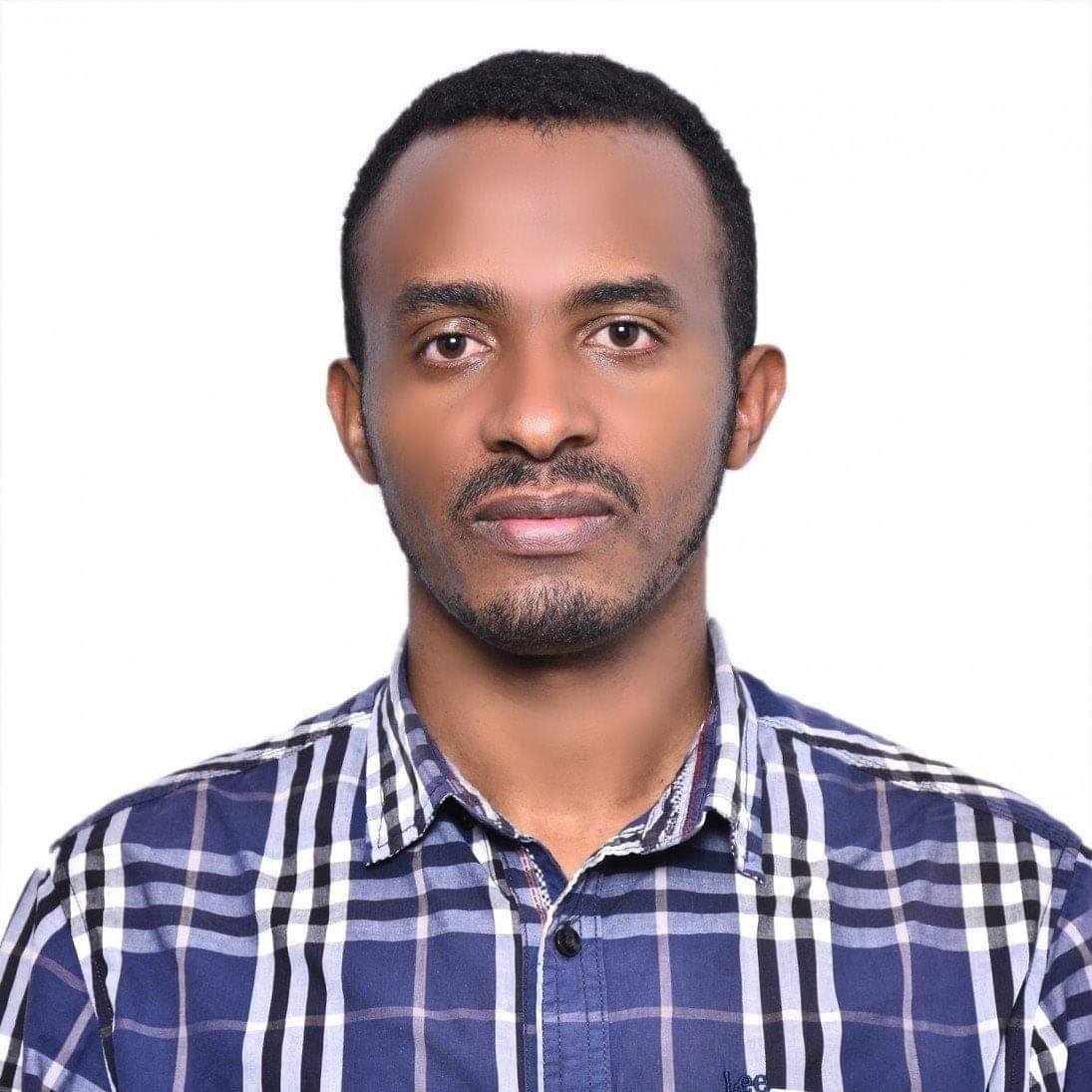
Prof. Tesfahiwot Zerihun Shiferaw
Prof.
- Qualification
- PhD
- Specialization
- Veterinary Clinical Pathology
- tesfahiwotzerihun@yahoo.com
- Phone
- +251(920) 556154
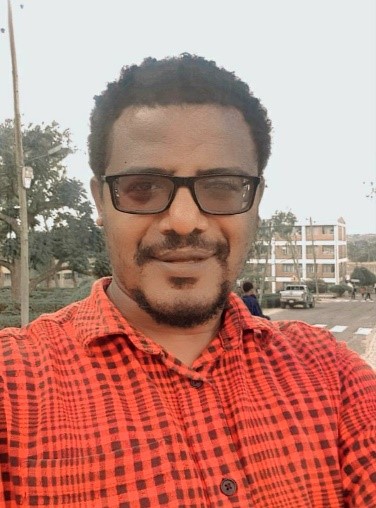
Dr. Yehualashet Bayu Senkneh
Associate Prof.
- Qualification
- MSc
- Specialization
- Tropical and Infectious Disease
- yehuaba@yahoo.comyehualashet.bayu@gmail.comyehualashet.bayu@haramaya.edu.et
- Phone
- +251-913-31-2238+251-940-113037
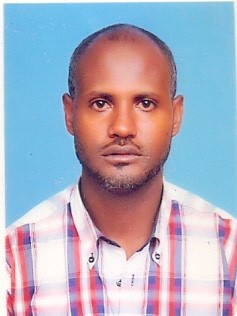
Dr. Shimelis Mengistu Hailu
Associate Prof.
- Qualification
- MSc
- Specialization
- Veterinarian and Veterinary Public Health Specialist
- shimemenge2@gmail.comshimeliscvm@haramaya.edu.et
- Phone
- +251-911-119023
Dr. Adem Abdela Hassen
Assistant Prof.
- Qualification
- MSc
- Specialization
- Large Animal Medicine
- ademadab@gmail.com
- Phone
- +251911747251
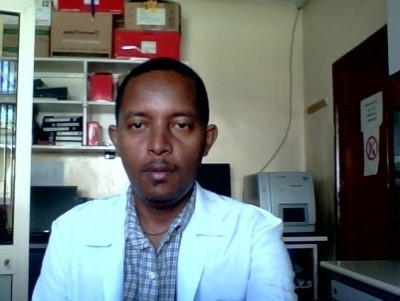
Dr. Daniel Shiferaw Beshah
Assistant Prof.
- Qualification
- MSc
- Specialization
- Veterinary Public Health

Mr. Fethu Lemma Eketa
Assistant Prof.

Mr. Sisay Alemu Mamo
Assistant Prof.
- Qualification
- MSc
- Specialization
- Tropical Veterinary Parasitology
- ssayalemu@gmail.com
- Phone
- +251910353117

Dr. Pawlos Wasihun Asnake
Assistant Prof.
- Qualification
- MSc
- Specialization
- Molecular Biology
- pwasihun@gmail.compwasihun@yahoo.compawlos.wasihun@haramaya.edu.et
- Phone
- +251 913273425
Dr. Shihun Shimeles Beyene
Assistant Prof.
- Qualification
- MSc
- Specialization
- Veterinary Epidemiology

Dr. Sisay Girma Bekele
Assistant Prof.
- Qualification
- MSc
- Specialization
- Veterinary Public Health

Mr. Abdulahi Abdurhaman Demise
Assistant Prof.
- Qualification
- MSc
- Specialization
- Vet. Microbiology

Mr. Dereje Regasa Nigussie
Lecturer
- Qualification
- MSc
- Specialization
- Veterinary Microbiology
- derregassa@gmail.comdereje.regassa@haramaya.edu.et
- Phone
- +251912883480+251988541114
Mr. Adugna Chalchisa Lemecha
Assistant Prof.
- Qualification
- MVSc
- Specialization
- Veterinary Parasitology
- aduchalchisa@gmail.comadugna.chalchisa@haramaya.edu.et
- Phone
- +251-922162490
Mr. Lencho Ahmednur Mohammed
Assistant Lecturer
- Qualification
- Bsc
- Specialization
- Vet. Laboratory technology
Dr. Yihenew Getahun Ambaw
Assistant Prof.
- Qualification
- MSc
- Specialization
- Biostatistics
Dr. Melkamu Temesgen Mekonen
Assistant Prof.
- Qualification
- MSc
- Specialization
- Veterinary Immunology
- mtem2010@yahoo.commtem3062@gmail.com
- Phone
- +251920514969+251910325253
Dr. Dagne Tsegaye Leta
Assistant Prof.
- Qualification
- MSc
- Specialization
- Veterinary Pathology
- dagnetl50@gmail.comdagne.tsegaye@haramaya.edu.et
- Phone
- +251-920583086+251-989116654
Mr. Megersa Idris Ahmed
Lecturer
- Qualification
- DVM
- Specialization
- Biotechnology
Dr. Mina Ali Dawa
Assistant Prof.
- Qualification
- MSc
- Specialization
- Tropical and infectious diseases
- miinaaa2018@gmail.com
- Phone
- +251-948-371710

Dr. Simegnew Adugna Kalu
Assistant Prof.
- Qualification
- Msc
- Specialization
- One Health Analytical Epidemiology
- adusim@yahoo.com
- Phone
- +251913786532+251909604042
Dr. Anwar Hassen Yimer
Assistant Prof.
- Qualification
- Msc
- Specialization
- Microbiology
Mr. Degaga Guder Gemeda
Lecturer
- Qualification
- Bsc
- Specialization
- Vet. Public health

Dr. Chala Mohammed Ahimed
Assistant Prof.
- Qualification
- MSc
- Specialization
- Vet. Surgery
Dr. Daniel Abebe Mekonen
Assistant Prof.
- Qualification
- MSc
- Specialization
- Veterinary Microbiology
- madevet27@gmail.com
- Phone
- ++251-913-03-76-14
Dr. Iftina Abdurhiman Yusuf
Assistant Prof.
- Qualification
- DVM
- Specialization
- Vet. Microbilogy
Dr. Kedir Sali Mussa
Assistant Prof.
- Qualification
- DVM
- Specialization
- Vet. Epidemiology
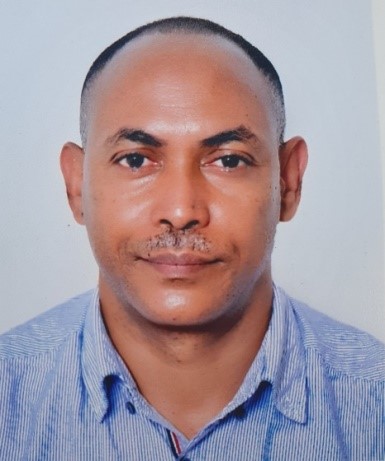
Dr. Berhanu Sibhat Kassa
Associate Prof
- Qualification
- MSc
- Specialization
- Veterinary Epidemiology
- berhanusibhat@gmail.com
- Phone
- +251-911 96 74 69
Dr. Dinaol Belina Kitila
Associate Prof
- Qualification
- MSc
- Specialization
- Veterinary Pathology
- belina.timketa@gmail.comdinaol.belina@haramaya.edu.et
- Phone
- +251-913835631
Dr. Mohammed Jafer Yoya
Assistant Prof.
- Qualification
- MSc
- Specialization
- Veterinary Public Health
Dr. Balisa Yusuf Abdalla
Assistant Prof.
- Qualification
- MSc
- Specialization
- DVM
- ballisayuusuf@gmail.comballisayuusf@yahoo.com
- Phone
- +251-921-659694
Mr. Ejara Ensa Tola
Lecturer
- Qualification
- Bsc
- Specialization
- Vet. Laboratory technology
Mrs. Bekelech Habilo Edato
TA
Mrs. Dasi Mokkonen Aga
Chief Tech Asst. II
- Qualification
- Bsc
- Specialization
- Vet. Laboratory technology
Mr. Kalif Dawid Mumed
Chief Tech Asst. I
- Qualification
- VLM
- Specialization
- Vet. Microbilogy
Staff on study leave
Dr. Bruk Abraha Fitwi
Associate Prof
- Qualification
- MSc
- Specialization
- Veterinary Microbiology
- abraha.ashebr@yahoo.comabrahabruk@gmail.comBruk.Abraha@haramaya.edu.et
- Phone
- +251-910-898705+251-924-920639
Miss. Almaz Dawit Ragasa
Assistant Lecturer
Mr. Bahar Mummed Hussen
Assistant Prof.
- Qualification
- MSc
- Specialization
- Vet. Microbiology
Dr. Balisa Yusuf Abdalla
Lecturer
- Qualification
- MSc
- Specialization
- DVM
- ballisayuusuf@gmail.comballisayuusf@yahoo.com
- Phone
- +251-921-659694
Dr. Abdulkerim Yusuf Harun
Lecturer
- Qualification
- MSc
- Specialization
- Epidemiology and Disease Surveillance Professional
- abdulkerimyusuf.10@gmail.comAbdulkerim.yusuf@haramaya.edu.et
- Phone
- +251935631697+251978771141
Mr. Nuradin Hussein Zenu
Assistant Lecturer
- Qualification
- BSc
- Specialization
- Veterinary laboratory technology
- hussennuredin7@gmail.com
- Phone
- +251949578089
Mr. Jelalu Kemal Bermeka
Assistant Prof.
- Qualification
- MSc
- Specialization
- Microbiology
- jelaluk@gmail.com
- Phone
- +251 911 953952
Dr. Abdulbari Ismael Somo
Assistant Prof.
- Qualification
- Msc
- Specialization
- Vet. Microbilogy
List of Staff Profile
Feature
- Dr. Bruk Abraha (Associate Professor of Veterinary Micriobiology ):
- Dr. Dinaol Belina (Associate Professor and PHD holder in Microbiology):
- Dr. Daniel Abeba (Assistant professor of veterinary Microbiology)
- Mr. Jelalu Kemal (Assistant professor of Microbiology)
- Mr. Bahar Mummed (Assistant professor of veterinary Microbiology)
- Mr. Abdallahi Abdurehman (Assistant professor of veterinary Microbiology)
- Dr. Abdulbari Ismeal (Assistant professor of veterinary Microbiology)
- Dr Iftina Abdurehman (Assistant professor of veterinary Microbiology)
- Mr. Dereje Regasa (Lecturer in veterinary Microbiology)
- Dr. Adem Abdella (Assistant Professor in Veterinary Medicine
- Dr. Yehualashet Bayu (Associate Professor in Tropical and Infectious Diseases)
- Dr. Mina Ali (Assistant Professor in Tropical and Infectious Diseases)
- Dr. Shihun Shimelis (Assistant Professor in Vet. Epidemiology)
- Dr. Birhanu Sibhat (Associate Professor in Vet. Epidemiology)
- Dr. Yehenew Getahun (Assistant Professor in Biostatistics)
- Prof. Bansal R.S (Professor in Vet. Obstetrics and Gynaecology)
- Dr. Amare Eshetu (Associate Professor in Theriogenology)
- Mr. Fetthu Lemma (Assistant Professor in Biotechnology)
- Dr. Chala Mohammed (Assistant Professor in Vet. Surgery)
No staff found.
Student Statistics
Dr. Kedir Sali Mussa
Head, Department of Doctor of Veterinary Medicine
Mobile Number: +2519
Office Numbe:
Email Addres
